 Pin this
 I still remember the December evening when my aunt arrived with a mysterious covered platter, unveiling this breathtaking twelve-section cheese board that became the talk of the party. Each distinct cheese was paired with something unexpected—honey with creamy Brie, dark chocolate with smoky Provolone—and suddenly, everyone at the table stopped talking and just tasted. That moment taught me that a cheese board isn't just food; it's an invitation to slow down and discover flavors together.
I made this for my partner's office holiday party, nervous about bringing something 'fancy enough,' and watched strangers become friends through conversation sparked by each new cheese section. One colleague spent ten minutes just talking about how the fig jam against aged Cheddar reminded him of a trip to Spain. That's when I realized this board does something special—it creates moments.
Ingredients
- Brie (50g): The creamy, forgiving cheese that works with almost anything—honey especially brings out its subtle buttery notes
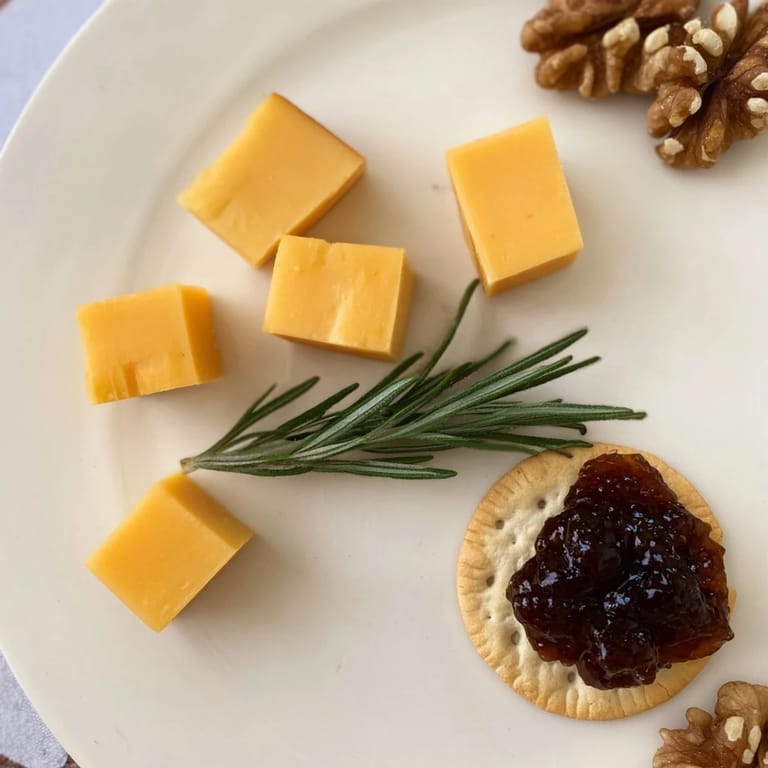
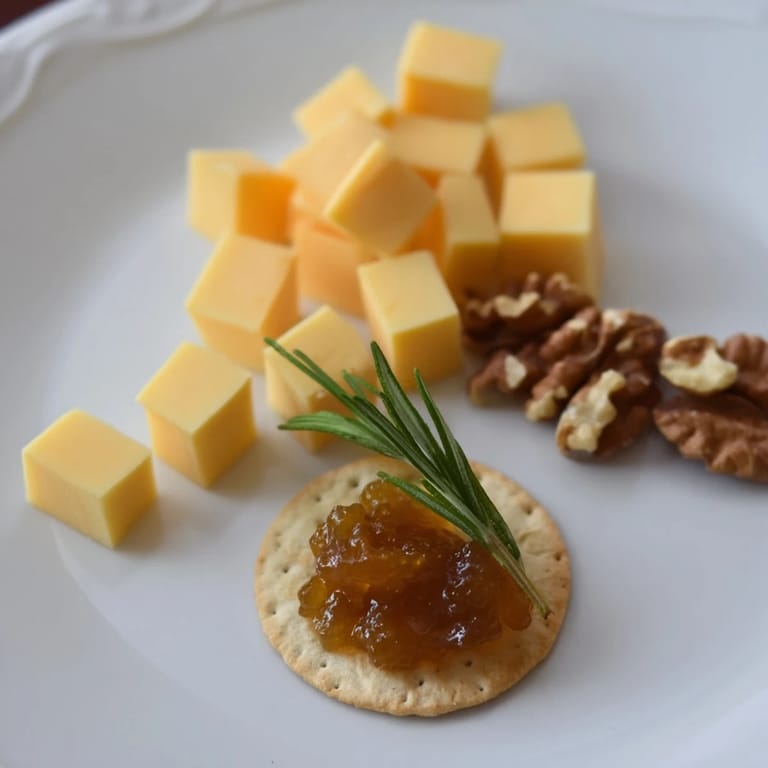
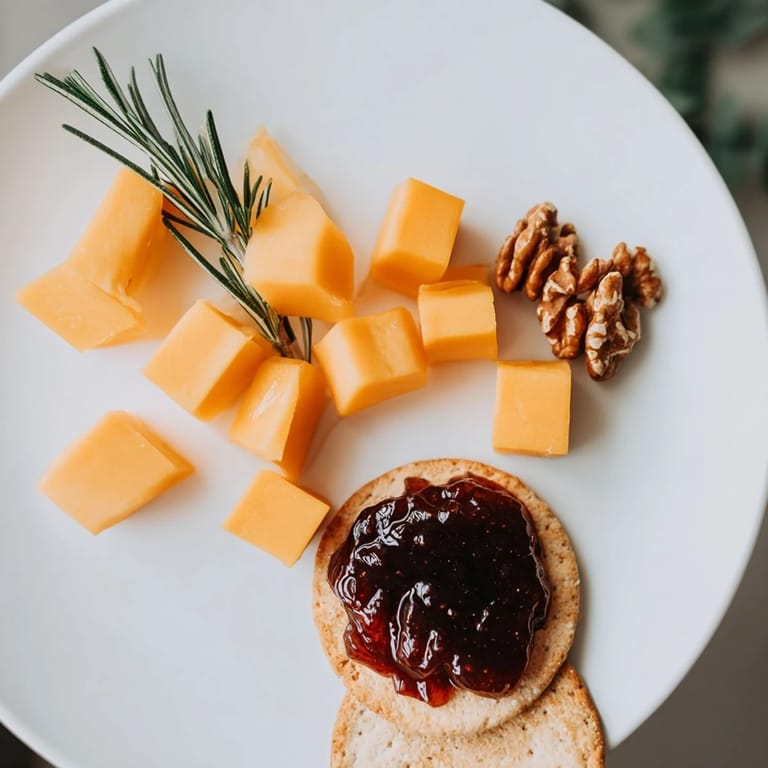
- Aged Cheddar (50g): Sharp and complex, the kind that tastes like it has a story; fig jam cuts through its intensity beautifully
- Manchego (50g): This Spanish gem has a nutty warmth that pairs magnificently with almonds, like they were made for each other
- Roquefort or Blue Cheese (50g): The bold one at the party—use it sparingly and pair with something sweet like pears to let it shine
- Goat Cheese (50g): Tangy and bright, absolutely transformed when fresh thyme sits on top, making everything taste like a Mediterranean kitchen
- Gruyère (50g): Aged complexity that loves a good mustard—whole grain especially, for that textured bite
- Camembert (50g): The soft-rinded friend that becomes almost liquid at room temperature; apple slices keep it from feeling too heavy
- Gouda (50g): Naturally sweet, almost caramel-like, which is why dark chocolate alongside feels like a revelation
- Comté (50g): Crystalline and complex, grapes offer a clean contrast to its deep, aged character
- Pecorino (50g): Sharp and salty, the pear and honey pairing is the tradition here for good reason
- Havarti (50g): Creamy and mild, fig jam dresses it up without overpowering its delicate character
- Smoked Cheese (50g): The dramatic one—dark chocolate grounds its smokiness into something unexpectedly harmonious
- Artisanal Bread or Assorted Crackers (12 slices): The vehicle for everything; choose quality because these carry the cheese's weight and deserve to taste good on their own
- Honey (2 tbsp): Raw if you can find it—the floral notes make a difference with delicate cheeses
- Fig Jam (2 tbsp): Something about figs and aged cheeses feels inevitable, like they completed each other in a previous life
- Whole Grain Mustard (2 tbsp): The textured kind that catches on your palate alongside sharp cheeses
- Seedless Grapes (24): The clean palate cleanser and the sweet punctuation between flavors
- Dried Apricots (12): Chewy and concentrated, they echo the sweetness of good cheese's undertones
- Walnut Halves (12): Earthy and substantial, they ground creamier cheeses
- Toasted Almonds (12): The toasting brings out a sweetness that works across the board; raw almonds aren't quite the same
- Apple Slices (12): Cut them right before serving so they don't brown; they're the bright freshness everything needs
- Fresh Pear Slices (12): More delicate than apples, they dissolve on your tongue and let cheese flavors shine through
- Dark Chocolate Pieces (12): Quality matters here more than anywhere; use something at least 70% cacao
- Cornichons (12): Tiny, briny, and sharp—the palate cleansers that make you want to taste the next cheese
- Fresh Herbs for Garnish: Thyme and rosemary sprinkled between sections feel intentional and make the whole board smell like a country kitchen
Tired of Takeout? 🥡
Get 10 meals you can make faster than delivery arrives. Seriously.
One email. No spam. Unsubscribe anytime.
Instructions
- Visualize Your Canvas:
- Lay out your large board or platter in front of you and take a moment to imagine twelve distinct territories. You can draw invisible lines with your eye, or if you're the type who needs guidance, use small bowls or ramekins to physically divide the space. Think of it like a color palette—each section should feel separate but part of the whole composition.
- Arrange Your Cheeses:
- Place one cheese in each section, cutting them into bite-sized pieces—not too small, but small enough that someone can grab a piece without needing a knife. Let the cheese speak; if it's creamy like Brie, leave it slightly larger. If it's crumbly like Roquefort, keep pieces manageable. This is where you start setting the mood.
- Create the First Pairing (Brie & Honey):
- In your first section, nestle the Brie with a drizzle of honey and one apple slice. The honey should be visible—not hidden—so people see the pairing immediately. This is your introduction, so make it inviting.
- Build the Cheddar Story:
- In section two, place aged Cheddar with a small spoonful of fig jam and one walnut half. Notice how the golden jam catches the light against the orange-gold cheese—this is intentional beauty.
- Continue the Pattern Thoughtfully:
- Work through each pairing as listed, taking a moment with each one to think about balance—creamy with bright, sharp with sweet, mild with texture. You're not just placing cheese; you're curating twelve small flavor experiences.
- Arrange the Supporting Players:
- Fan your crackers or bread slices around the outer edge of the board, or tuck them between sections. They should look abundant but not crowded—like there's always something to carry the cheese on.
- Add the Final Flourish:
- Scatter fresh thyme and rosemary sprigs across the board wherever there's empty space. Tear some of the herb leaves so their fragrance releases into the air. This last touch transforms the board from organized to inviting.
- Bring Everything to Temperature:
- Leave the board at room temperature for at least 20 minutes before serving, or assemble it shortly before guests arrive. Cold cheese tastes muted; room temperature cheese tastes like itself, which is why the flavors come alive.
 Pin this
 My favorite memory from serving this board is watching my dad—someone who claims he doesn't like 'fancy cheese'—have a genuine moment with the Comté and grapes combination, turning to my mom and saying, 'This is what we've been missing.' That's when I understood that this board gives permission for people to taste honestly, without the weight of pretension.
The Art of Pairing
What makes each section work is understanding that cheese isn't a solo act—it's a conversation. Creamy cheeses like Brie and Camembert want something bright to balance their richness, which is why honey and apples feel like air in that richness. Sharp cheeses like aged Cheddar and Roquefort need sweetness to soften their edges, allowing you to taste their complexity without flinching. Nutty cheeses like Manchego and Gruyère are comfortable with texture and spice—that's why almonds and mustard feel natural alongside them. Once you understand this principle, you can rearrange these pairings entirely and everything still sings.
Selecting Your Cheeses
The beauty of this board is its flexibility—you're not locked into these exact twelve cheeses. What matters is the range: soft, hard, sharp, mild, aged, fresh, nutty, tangy. I've made this board with completely different selections depending on what I found at the market, and each version felt uniquely itself. A helpful practice I've adopted is tasting each cheese before placing it, noting its first impression. If it's bold, make sure its pairing is bold enough to stand beside it. If it's subtle, give it a platform where it can whisper its story.
Wine, Timing & Presentation
This board drinks beautifully with sparkling wine because the bubbles reset your palate between each section, or with light reds that won't overpower the delicate cheeses. Cider also works wonderfully if you want something less formal. For timing, I've learned that assembling this board 30 minutes to 2 hours before serving is the sweet spot—long enough for cheeses to come to temperature, not so long that delicate items like apple slices have time to brown. If you're assembling further ahead, cover loosely with parchment paper and refrigerate until 20 minutes before serving. One small presentation secret that changes everything: arrange everything on a board with enough negative space that people can actually see each pairing. A crowded board looks chaotic; a thoughtfully spaced board looks intentional and inviting.
- Serve with small cheese knives and small spoons for spreads so people can navigate without nervousness
- Always include a small stack of napkins nearby—people will appreciate the forethought
- Consider labeling each cheese with a small card if guests aren't familiar with them; it turns tasting into learning
 Pin this
 This board has become my go-to answer when I'm asked what to bring to a celebration, because it says yes to hospitality without saying no to my time. It's generous and personal and honest—everything a good dish should be.
Recipe FAQs
- → How should the cheese board be prepared?
Arrange twelve different cheeses on a large board, each in separate sections, accompanied by specific pairings like fruits, nuts, and spreads for variety.
- → Can I customize the types of cheese used?
Absolutely, select cheeses from different regions or tastes to create a personalized and diverse flavor profile.
- → What are good drink pairings with this cheese board?
Pair with sparkling wine, light reds, or cider to complement the assortment of cheeses and accompaniments.
- → How long does it take to assemble?
Preparation takes about 35 minutes, including arranging cheeses and adding accompaniments for a polished presentation.
- → Can this board accommodate dietary preferences?
Yes, by choosing vegetarian or plant-based cheeses and substituting crackers, the board suits various diets.
- → What garnishes enhance the cheese board?
Fresh herbs like thyme and rosemary add aromatic notes and decorate the board beautifully.