 Pin this
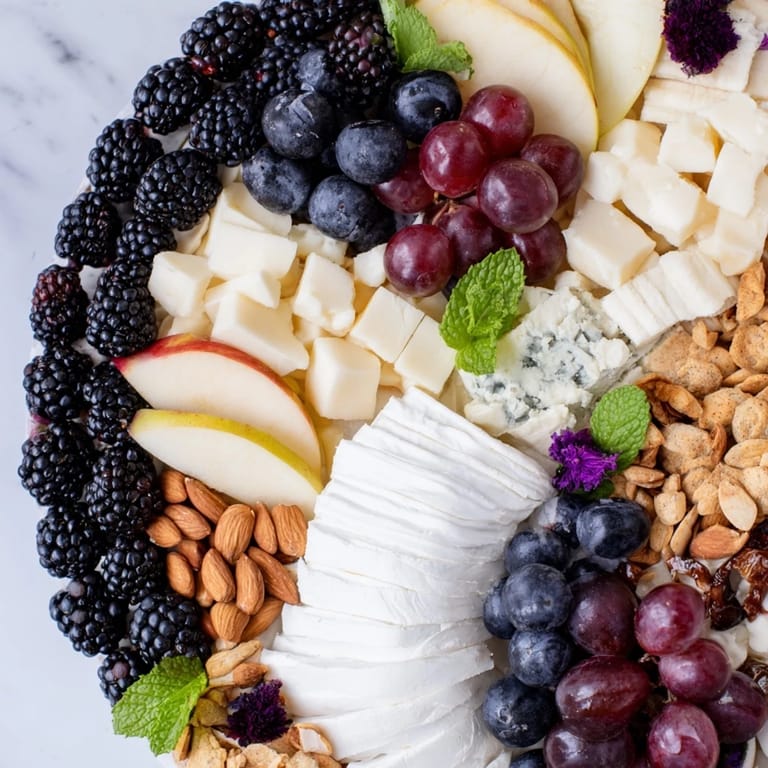
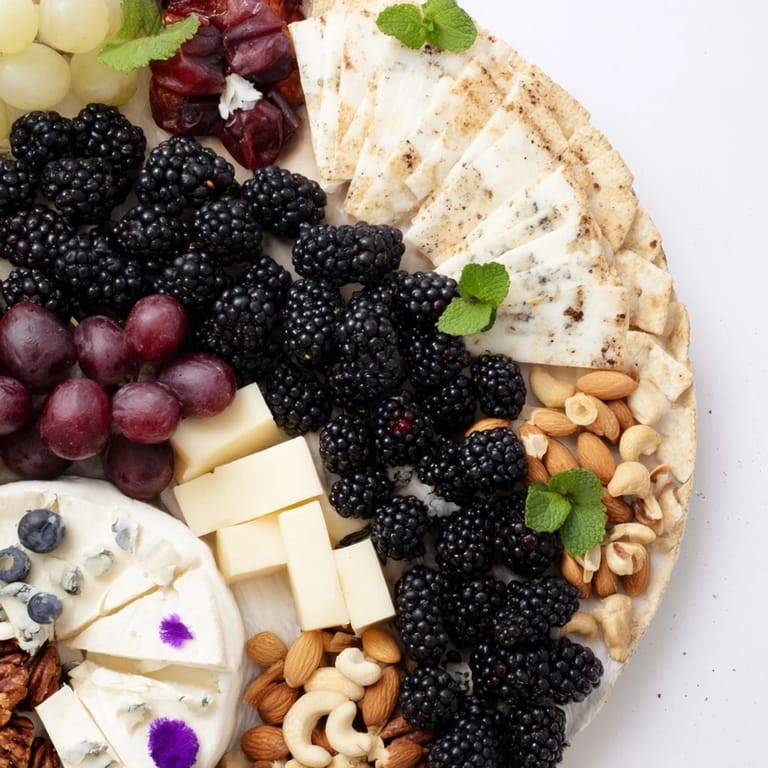
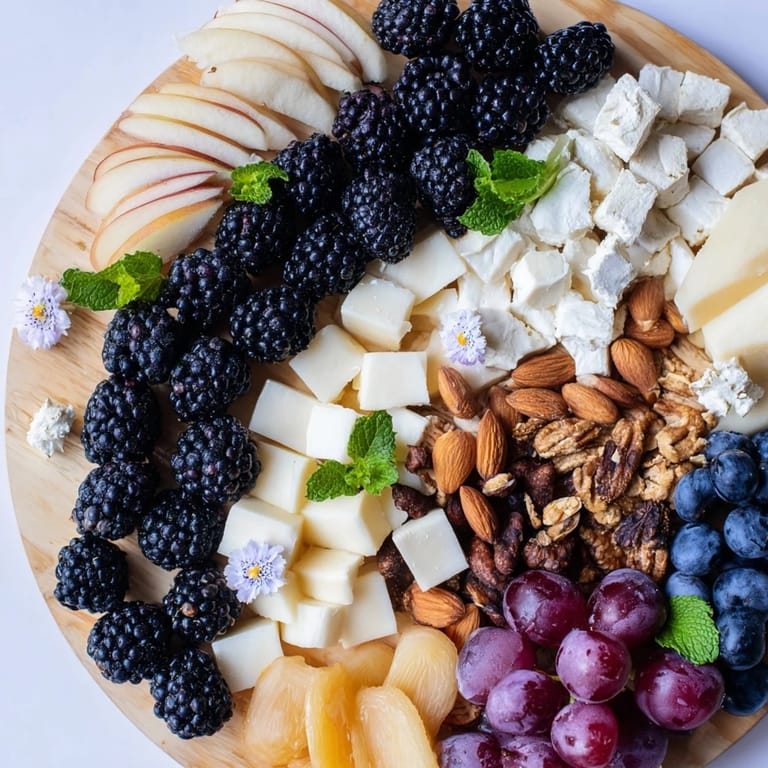
 I discovered this board by accident when a friend brought yin-yang philosophy books to a dinner party, and I found myself arranging cheeses in a curved line just to match the conversation. The moment I stepped back and saw how the blackberries naturally divided the light goat cheese from the dark Gouda, something clicked—this wasn't just about flavors anymore, it was about visual harmony. My guests kept talking more about the balance than the taste, which made me realize that sometimes the most memorable meals happen when aesthetics and flavor work together. Now whenever I make it, I feel like I'm sharing a moment of intentional beauty, not just food.
The first time I served this to my sister, she actually paused mid-bite and said it tasted like I'd finally figured something out. I think what she meant was that the board taught me the difference between throwing food on a plate and actually composing a meal. She's a designer, so the yin-yang concept spoke to her immediately, but the real win was watching her taste both sides and realize how the cheeses and fruits played off each other. After that, I stopped thinking of appetizer boards as casual and started treating them like a small art project.
Ingredients
- Fresh blackberries (150 g): These are your dividing line and your flavor bridge—tart enough to cut through rich cheese but sweet enough to feel like dessert.
- Goat cheese (100 g): It's creamy and slightly tangy, the perfect anchor for the light side and forgiving if you slice it a moment too soon.
- Young Manchego or white cheddar (100 g): Choose something mild that won't overpower the delicate pear and almonds.
- Pear (1 small): Slice it just before serving or toss lightly in lemon juice to prevent browning; this is where the light side gets its sweetness.
- White grapes (50 g): They add a subtle crunch that nobody expects from a cheese board.
- Raw almonds (30 g): Their slight bitterness keeps the light side from feeling too sweet.
- Rice crackers or light crackers (30 g): These should be delicate enough to not compete with the cheese.
- Aged blue cheese (100 g): This is bold and demands respect; use it sparingly if your guests are new to strong cheeses.
- Aged Gouda or sharp cheddar (100 g): Rich and nutty, it becomes the hero of the dark side without needing anything fancy.
- Black plum (1 small): A thinly sliced plum brings an unexpected earthiness that makes people say 'what is that?' in the best way.
- Red or black grapes (50 g): They echo the color story and add natural sweetness to balance the salty cheeses.
- Roasted hazelnuts (30 g): Their toasted richness complements the aged cheeses perfectly.
- Dark rye crisps or seeded crackers (30 g): Choose something substantial that won't disappear under the weight of aged cheese.
- Fresh mint leaves: A handful scattered at the end adds freshness and makes the board feel intentional.
- Edible flowers (optional): These are pure theater—use them if you want your guests to take a photo before eating.
Tired of Takeout? 🥡
Get 10 meals you can make faster than delivery arrives. Seriously.
One email. No spam. Unsubscribe anytime.
Instructions
- Set your stage:
- Start with a large round board on a clean surface—the roundness matters because it reinforces the circular balance you're creating. A wooden board or slate works beautifully, but honestly, anything that makes you feel like you're doing something deliberate will work.
- Create the dividing line:
- Lay your blackberries in a gentle curve across the center, mimicking a yin-yang symbol. Don't stress about perfection here; the imperfection is what makes it human and real.
- Build the light side:
- Arrange goat cheese slices in one section, then add pear slices nearby so they can dance together on someone's cracker. Scatter white grapes, almonds, and light crackers around with breathing room between each element—this isn't a game of Tetris.
- Build the dark side:
- Mirror the light side with aged cheese, plum slices, dark grapes, hazelnuts, and rye crisps. Think of it as telling the same story in a different color palette.
- Add the finishing touches:
- Tuck mint leaves into gaps and scatter edible flowers if you're using them. Step back and look at it with fresh eyes—this is the moment where it stops being ingredients and becomes something worth remembering.
- Serve with intention:
- Bring it to the table and let people discover the balance themselves. The best part of a good board is watching someone realize that every combination tastes different from the last.
 Pin this
 What surprised me most was when someone brought this board to a potluck and three different people asked if they could commission me to make one for their events. I realized that the yin-yang concept had struck a chord deeper than I expected—maybe because balance is something everyone wishes they had more of in their lives. Food has this quiet power to speak about things we don't say out loud.
The Beauty of Visual Balance
The yin-yang board taught me that eating with your eyes first isn't shallow—it's the oldest form of trust in food. When something looks intentional and balanced, you approach it differently than if it's just a pile of cheese and crackers. I started noticing how restaurants understand this instinctively, but home cooking often skips it. The good news is that you don't need fancy plating skills; you just need to think about color, negative space, and the rhythm of repetition. Once you see how a blackberry curve can organize an entire experience, you start arranging other boards the same way, always asking where the line is that pulls everything together.
Adapting for Seasons and Preferences
Summer is when I make this board most often, but I've learned that seasonality doesn't stop you—it just changes your ingredients. In fall, I swap pears for sliced apples and add honeycomb to the light side, which feels warmer somehow. Winter brings persimmons and dried apricots instead of fresh plums. The structure stays the same, but the story shifts. I've also discovered that if you have a guest who doesn't eat cheese, you can build a fruit and nut version of the same concept, which proves that balance is about philosophy, not restrictions.
Wine Pairings and Serving Moments
A crisp white wine cuts through the richness of the aged cheeses while echoing the sweetness of the pear side. A light-bodied red works if you want something warmer and earthier, especially in cooler months. I've found that people talk more when they're nibbling something beautiful and sipping something they actually chose, so the board becomes a conversation starter instead of just appetizer. Here's what I've learned about service: this board isn't meant to be finished quickly, so give people time to wander and taste and come back to it. That's when the magic happens—when someone finds a combination they didn't expect and their face lights up.
- Serve the board at the beginning of a meal when people are hungry and curious, not at the end when they're already full.
- Leave it out for at least thirty minutes so people can graze and discover new flavor combinations as they circle back.
- Don't be shy about rearranging as people eat—a gap here and there makes the board look alive and lived-in, not sterile.
 Pin this
 This board reminds me that sometimes the simplest meals are the ones people remember most. It's not about technique or rare ingredients—it's about paying attention to how things look and taste together, then sharing that moment with someone.