 Pin this
 The steam rising from the bowl carried memories of that rainy afternoon when I first stumbled upon Emily Mariko's salmon rice video. The simplicity captivated me—just leftover salmon, rice, and a few pantry staples transformed into something magical. My kitchen filled with the savory-sweet aroma as I pressed the ice cube into my rice (a technique I've since abandoned). That first bite, wrapped in crisp seaweed, became an instant comfort food classic in my home.
Last winter when my sister visited during that awful snowstorm, we were stuck inside for three days straight. By the second evening, cabin fever was setting in until I remembered I had some salmon in the fridge. We made these bowls together, laughing as we squirted too much sriracha into mine, and somehow that simple meal shifted the whole mood of our impromptu hibernation. Now she requests it whenever she visits.
Ingredients
- Cooked salmon fillet: The star of the show should still have some moisture, so be careful not to overcook it initially if youre making fresh salmon specifically for this recipe.
- Short-grain rice: Day-old refrigerated rice works best here, as the slightly dried grains will maintain their integrity when mixed rather than turning mushy.
- Japanese mayonnaise: Kewpie mayo has a richer egg flavor and silkier texture than American mayo, making a noticeable difference in the creaminess of the final dish.
- Roasted seaweed sheets: Look for the snack-sized sheets rather than full nori sheets for sushi, as theyre perfectly portioned for scooping and have a more intense roasted flavor.
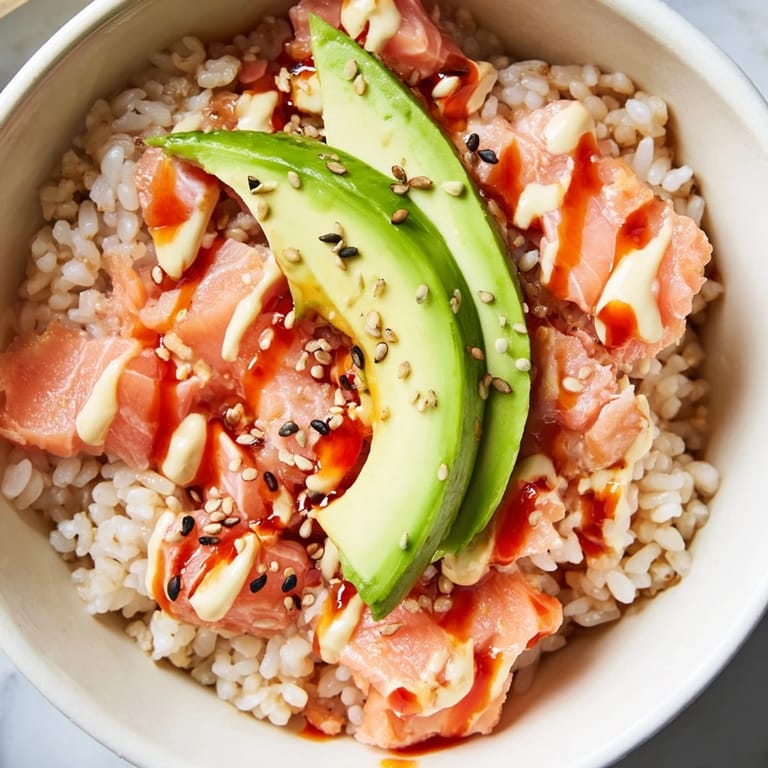
- Avocado: Choose one thats yielding but not mushy when gently pressed, as youll want clean slices that dont turn to mush when handled.
Tired of Takeout? 🥡
Get 10 meals you can make faster than delivery arrives. Seriously.
One email. No spam. Unsubscribe anytime.
Instructions
- Prepare your base:
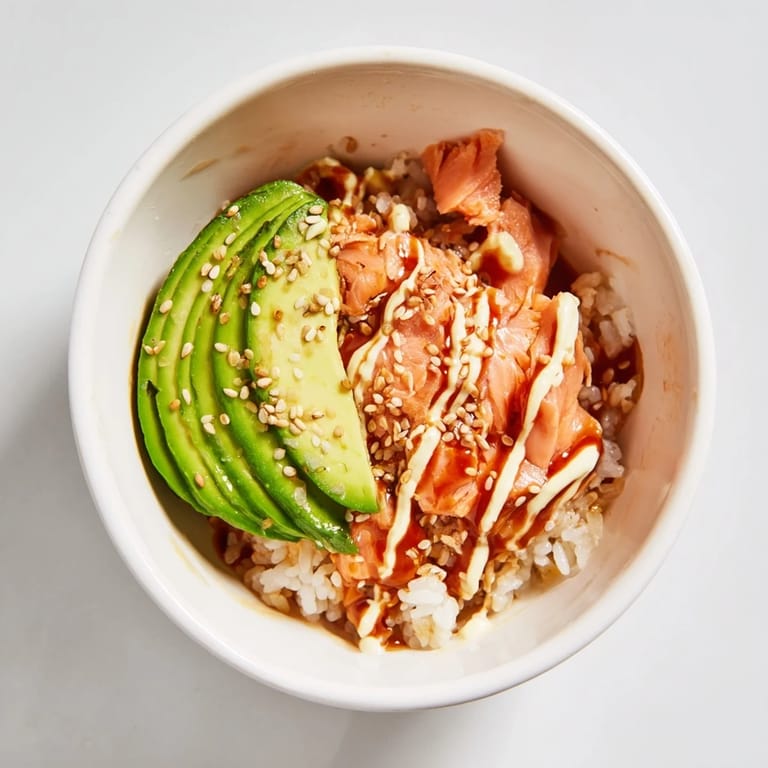
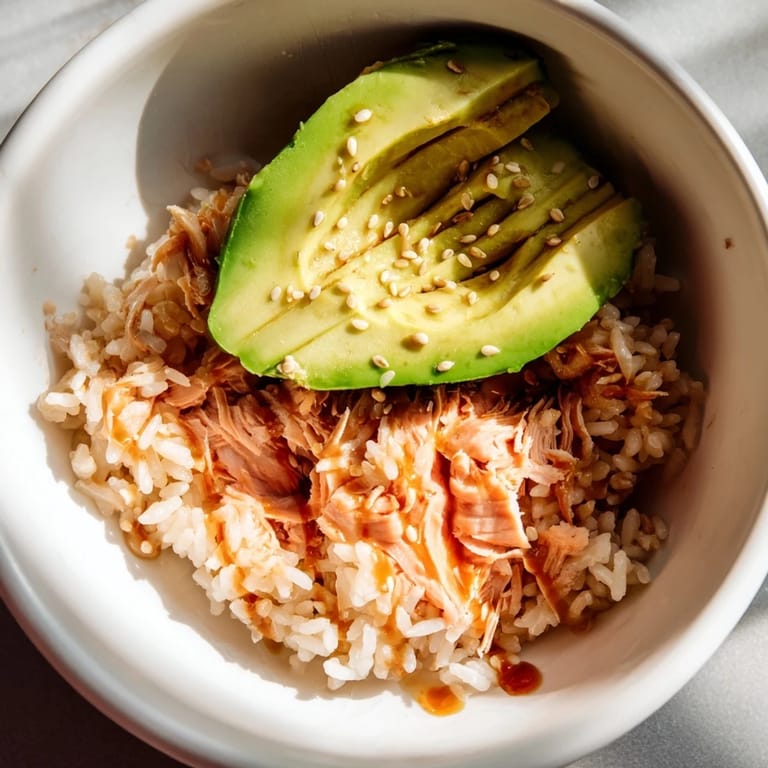
- Place your chilled rice in a microwave-safe bowl and flake the salmon over top with your fingers, breaking it into bite-sized pieces that will distribute evenly. Drizzle with that first tablespoon of soy sauce to begin building flavor.
- Heat it through:
- Cover loosely with parchment paper or a microwave cover, allowing steam to escape while preventing splatters. The brief heating time warms everything without drying out your precious salmon.
- Add the creamy elements:
- Squirt the Japanese mayo in a zigzag pattern and add sriracha according to your heat preference. This is where the magic happens as the creaminess melds with the savory elements.
- Mix with intention:
- Use a fork or rice paddle to gently fold everything together until the colors swirl throughout. Youre looking for integration without mashing everything into paste.
- Add fresh toppings:
- Layer on your avocado slices, scatter green onions if using, and sprinkle sesame seeds for a nutty finish. These fresh elements bring contrast to the warm base.
- Serve with seaweed:
- Arrange your seaweed sheets alongside or standing up in the bowl. Each bite scooped onto the crisp seaweed creates the perfect textural balance.
 Pin this
 One Sunday afternoon, I served these bowls during a casual get-together with friends who typically order sushi takeout when they come over. The room fell silent as everyone ate, except for occasional appreciative murmurs. My friend Marcos, who usually politely picks at homemade food while waiting for delivery, asked for seconds and then requested the recipe. That moment of shared culinary pleasure felt like a quiet victory.
Ingredient Swaps
When fresh salmon isnt available, Ive discovered canned salmon works surprisingly well, though you need to drain it thoroughly and remove any bones. For a spicier variation, Korean gochujang can replace the sriracha, lending a deeper, more complex heat. Ive even tried this with leftover roasted chicken when serving friends who dont eat fish, and while different, it maintains that same comforting quality with the rice and creamy elements.
Serving Suggestions
While this bowl stands perfectly well on its own, Ive found that a small side of quick-pickled cucumbers creates a refreshing counterpoint to the richness. Simply slice cucumbers thinly, sprinkle with a little salt and rice vinegar, and let them sit while you prepare the main dish. The acid cuts through the creamy elements and cleanses the palate between bites, making the next mouthful just as exciting as the first.
Storage and Reheating
If you need to make components ahead of time, store the cooked salmon and rice separately from all other ingredients. The bowl comes together so quickly that prepping ahead rarely saves significant time, and the textural magic happens when everything is freshly assembled. When I tried storing a fully mixed portion for lunch the next day, the seaweed became soggy and the avocado oxidized.
- Keep your seaweed sheets in an airtight container with a silica gel packet to maintain crispness in humid environments.
- If meal prepping, slice avocado just before eating and pack separately from the rice mixture.
- Reheat only the rice and salmon portion gently in the microwave, then add cold toppings after warming.
 Pin this
 This recipe reminds me that sometimes the most satisfying food comes from necessity, leftovers, and simple ingredients combined with care. Every time I make it, I feel connected to that global moment when millions of us watched the same video and thought, I need to try that right now.
Recipe FAQs
- → Can I use freshly cooked rice instead of leftover rice?
Yes, but day-old chilled rice works best as it has a firmer texture that holds up better when reheated. If using fresh rice, spread it on a tray to cool and dry slightly before assembling.
- → What can I substitute for Japanese mayonnaise?
Regular mayonnaise works, though Kewpie has a tangier, umami-rich flavor. Add a tiny splash of rice vinegar to regular mayo to approximate the taste.
- → Can I make this with canned salmon?
Absolutely. Drain canned salmon well and remove any bones or skin before flaking. It's a convenient alternative that still delivers great flavor.
- → How do I store leftovers?
Store the salmon rice mixture separately from avocado and seaweed in an airtight container in the refrigerator for up to 2 days. Add fresh toppings when ready to serve.
- → What other toppings work well with this bowl?
Try cucumber slices, pickled ginger, edamame, shredded carrots, or a drizzle of eel sauce. Furikake seasoning adds extra umami and texture.
- → Can I make this without a microwave?
Yes, reheat the rice and salmon in a skillet over medium heat with a splash of water, stirring occasionally until warmed through, then proceed with the toppings.