 Pin this
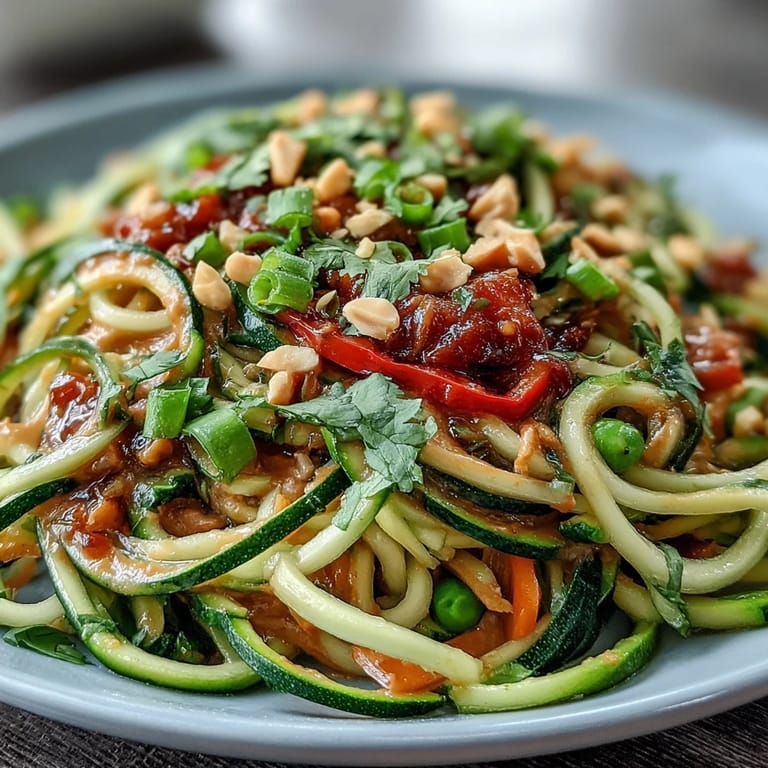
 My spiralizer sat unused in a drawer for months until a friend mentioned she'd been eating zucchini noodles for lunch without feeling guilty about carbs. I laughed it off, but one sweltering afternoon when nothing sounded heavier than a salad, I pulled it out and started twisting zucchini like I was making pasta for the first time. The kitchen smelled nothing like a traditional stir-fry, and that's exactly when I realized how refreshing a warm bowl could feel, especially once I drizzled that creamy peanut sauce over everything. This dish became my answer to wanting something that tastes indulgent but feels light.
I made this for my roommate after she mentioned feeling stuck in a rut with her usual lunch routine. Watching her twirl the noodles on her fork and close her eyes after that first bite—that's when I knew this recipe was worth keeping. She started making it twice a week, and eventually asked if I'd write down the measurements so she could customize it with whatever vegetables she had lingering in her crisper drawer.
Ingredients
- Zucchini, spiralized: The noodles should be tender but still have some texture; spiralize them just before cooking so they don't weep water into your dish.
- Red bell pepper: The sweetness balances the tangy sauce, and slicing it thin means it stays crisp rather than turning mushy.
- Carrot, julienned: Beyond color, carrots add a gentle crunch and their natural sugars play beautifully with the peanut sauce.
- Snap peas: These are my secret for keeping everything feeling fresh and bright; they cook just enough to soften without losing their snap.
- Green onions: Save some for garnish because their sharpness cuts through the richness of the sauce in the best way.
- Natural peanut butter: Choose one with just peanuts and salt; the fancy stuff with added oils can make the sauce break if you're not careful.
- Soy sauce or tamari: Tamari is your friend here if you're avoiding gluten, and a dash of it adds umami depth that makes the whole dish sing.
- Rice vinegar: Don't skip it because it's what keeps the sauce from tasting one-dimensional and dull.
- Lime juice: Fresh lime is non-negotiable; bottled tastes thin and hollow by comparison.
- Maple syrup or honey: A touch of sweetness softens the vinegar's bite and rounds out all the sharp flavors playing together.
- Toasted sesame oil: A little goes a long way, and its nutty warmth makes people ask what's making everything taste so good.
- Garlic and ginger: Mince them finely so they dissolve into the sauce rather than sitting as chunks, which means better flavor distribution in every bite.
- Red pepper flakes: Optional, but they'll give you that gentle warmth that makes you want another forkful.
Tired of Takeout? 🥡
Get 10 meals you can make faster than delivery arrives. Seriously.
One email. No spam. Unsubscribe anytime.
Instructions
- Get everything prepped first:
- Spiralize your zucchini and carrots, slice the bell pepper thin, halve the snap peas, and chop your green onions. Having everything ready means you can work quickly once the pan heats up, which keeps those zucchini noodles from turning into mush.
- Build your sauce:
- Whisk the peanut butter, soy sauce, rice vinegar, lime juice, maple syrup, sesame oil, garlic, and ginger together in a bowl. Add just 2 tablespoons of warm water at first, then thin it out gradually because a thick sauce tastes richer than one that's immediately pourable.
- Heat your pan properly:
- Get your skillet or wok screaming hot over medium-high heat—you want to hear a sizzle when the first vegetables hit the pan. If you're adding sesame oil for extra flavor, this is when you'd splash it in, though it's optional.
- Cook the harder vegetables first:
- Add your bell pepper, carrot, and snap peas to the hot pan and let them sizzle for 2 to 3 minutes without stirring constantly. They'll get a little color and develop some flavor, which makes the whole dish taste more intentional than if you just tossed everything raw together.
- Add the zucchini noodles gently:
- Toss them in and cook for just 2 to 3 minutes, stirring gently so they warm through without breaking apart or releasing all their water. The moment they start to soften, they're done; a second too long and they turn into a sad, wilted pile.
- Coat everything in sauce:
- Pour the peanut sauce over all the vegetables and toss for another minute until everything is coated and warm. The sauce will cling to the noodles and vegetables, and the whole pan comes together like a finished dish rather than separate components.
- Serve straight away:
- Transfer to bowls immediately and garnish with chopped peanuts, extra green onions, and cilantro if you're using it. Zucchini noodles start releasing water the moment they cool down, so eating this hot and fresh is the whole point.
 Pin this
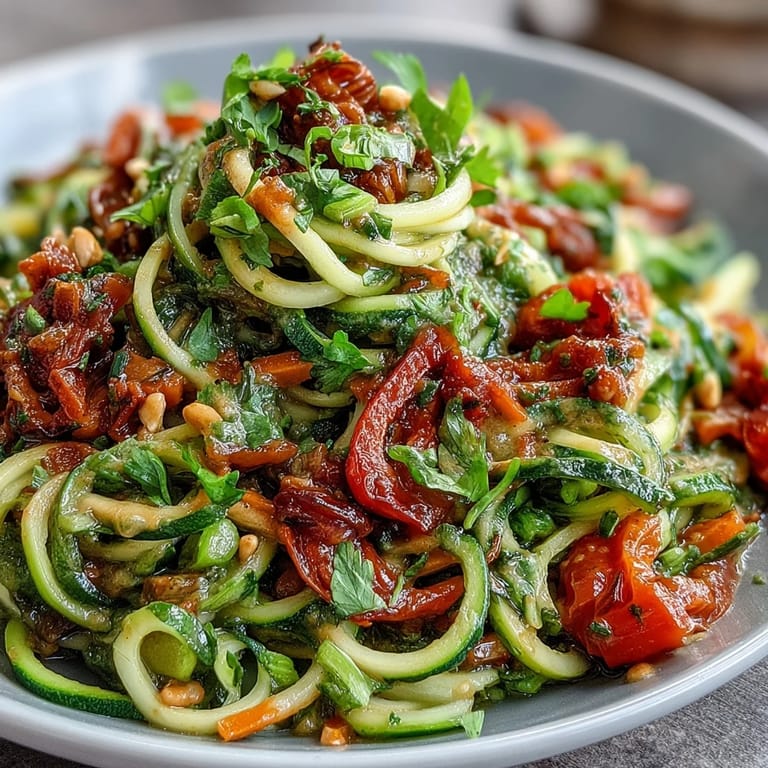
 There's a moment when the peanut sauce hits the hot vegetables and the kitchen fills with this incredible aroma of garlic, ginger, and nutty richness. My partner wandered into the kitchen that first time I made this, stopped mid-thought, and asked what restaurant I'd ordered from—that's when I knew the sauce was doing its job.
Why This Stir-Fry Became My Weeknight Anchor
Weeknights used to feel like a choice between spending an hour cooking or eating something that left me unsatisfied. This dish split the difference so perfectly that I started planning my week around it, knowing I could have something restaurant-quality on the table in less than half an hour. The simplicity of the ingredient list meant I wasn't hunting through specialty stores, and the versatility meant I could pivot based on whatever looked good at the market.
Making It Your Own
The beauty of this recipe is that it's a blueprint rather than a rulebook. I've added grilled tofu when I wanted extra protein, swapped in broccoli when snap peas were out of season, and even experimented with almond butter when a friend with a peanut allergy came over. Each time, the sauce stayed creamy and balanced, which means you can adjust without worrying about ruining the whole thing.
The Sauce Is Where the Magic Lives
I spent so long thinking a good stir-fry sauce required some obscure ingredient I'd have to order online, but this one comes together from things that sit in most pantries. The balance of salty, sour, sweet, and warming spice is what makes people come back for seconds, even those who usually skip vegetables. If you taste it straight from the bowl before tossing it with the noodles, you might find it tastes aggressively tangy or a bit too thick, but that's exactly right because it's meant to coat the vegetables and noodles, not sit solo on your tongue.
- If your sauce breaks or looks separated after sitting, whisk in a tablespoon of warm water and it'll come back together like nothing happened.
- Double the sauce if you like yours extra saucy; this recipe errs on the side of coating rather than drowning, so adjust to your mood.
- Taste the sauce as you go and adjust the lime juice or maple syrup before you combine everything; it's easier than trying to fix it after.
 Pin this
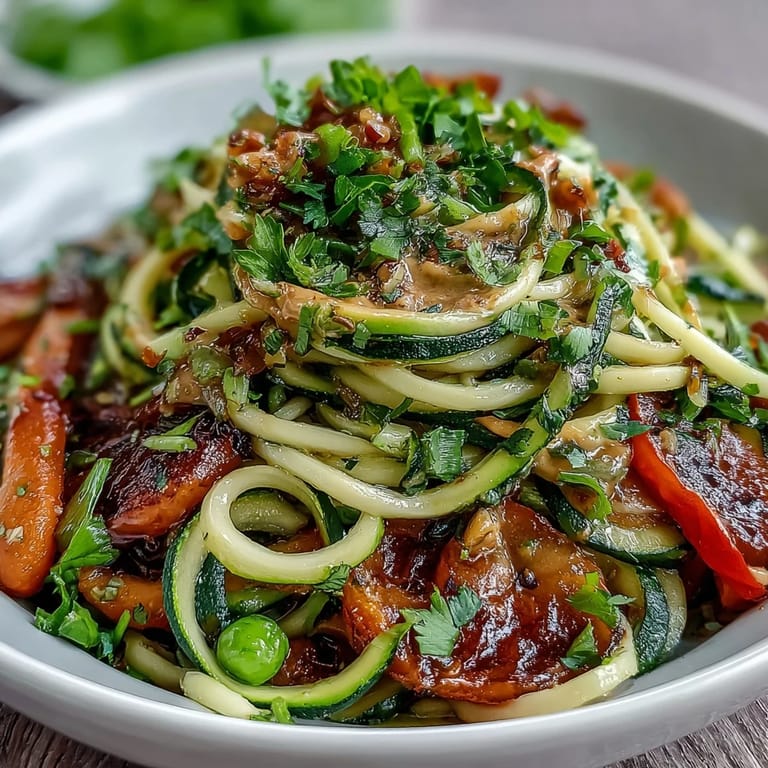
 This has become the dish I make when I want to feel like I'm taking care of myself without it feeling like a sacrifice. There's something generous about a meal that tastes this good and feels this light at the same time.
Recipe FAQs
- → How do I make zucchini noodles for this dish?
Use a spiralizer or julienne peeler to create thin, noodle-like strands from medium zucchinis. This helps them cook quickly and retain a pleasant texture.
- → Can I substitute the peanut butter in the sauce?
Yes, for a peanut-free option, try almond or cashew butter. These alternatives offer a similar creaminess and flavor profile.
- → What vegetables work best in this stir-fry?
Bell peppers, carrots, snap peas, and green onions provide a great mix of color, crunch, and sweetness that complement the zucchini noodles well.
- → How can I avoid soggy zucchini noodles?
Cook the noodles briefly just until warmed through, avoiding overcooking to maintain their firm texture and prevent excess water release.
- → What protein additions work well with this dish?
Grilled tofu, chicken, or shrimp can be added to boost protein while keeping flavors balanced and fresh.