 Pin this
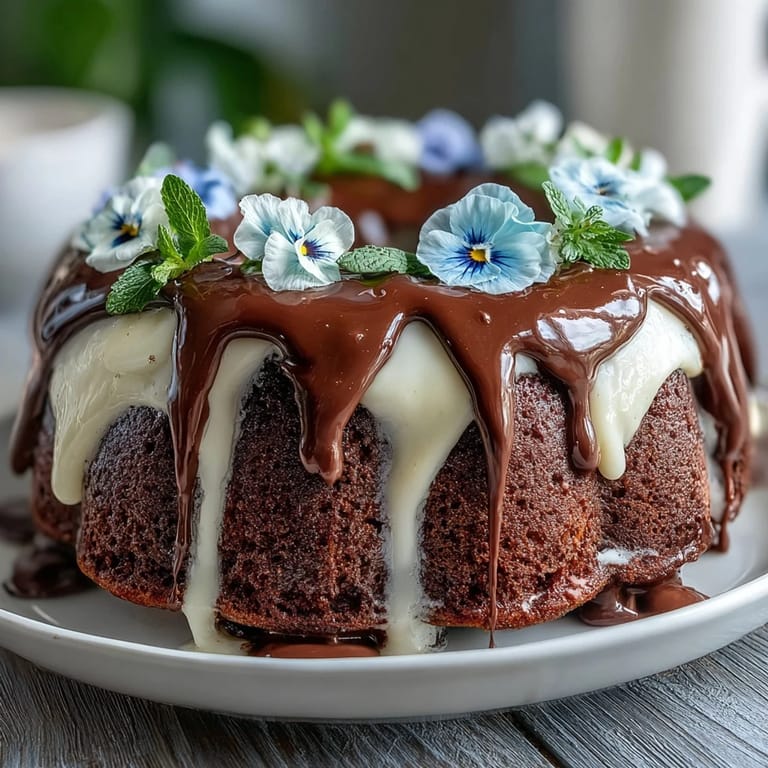
 My sister's garden was exploding with pansies the afternoon she insisted I bake something celebratory for her birthday brunch. I'd never worked with edible flowers before, and honestly, the whole concept felt a bit fussy until I saw how they caught the light on top of a frosted cake. That's when it clicked: this wasn't about being precious or Instagram-perfect. It was about bringing something living and seasonal straight from the garden to the table, and letting the cake itself be simple enough not to compete.
I remember standing in her kitchen at 6 a.m., still half-asleep, watching the cake layers cool on racks while she arranged flowers in tiny glasses around the room. By the time I was piping that lemon frosting, she was humming and showing me which blooms had the best color. Somewhere between the second and third layer, it stopped feeling like I was following a recipe and started feeling like we were creating something together.
Ingredients
- All-purpose flour (2½ cups): This is the foundation of your tender crumb—don't sift it unless your recipe specifically calls for it, and always spoon and level for accuracy.
- Baking powder (2½ tsp): This is what gives you three distinct, pillowy layers instead of one dense cake, so measure it carefully.
- Unsalted butter (1 cup plus 1 cup for frosting): Room temperature butter is non-negotiable here; cold butter won't cream properly and you'll lose that signature light texture.
- Granulated sugar (1¾ cups): The beating time matters as much as the sugar itself—this is where your cake gets its delicate structure.
- Eggs (4 large): Bring them to room temperature before you start; this helps them incorporate smoothly and evenly into the batter.
- Vanilla extract (1 tbsp): A small amount does big work, so use pure vanilla if you can find it.
- Whole milk (1 cup): Room temperature milk prevents seizing and ensures even distribution throughout the batter.
- Powdered sugar (4 cups, sifted): Sift it before measuring or right before you use it; lumps will show up as graininess in your frosting.
- Fresh lemon juice and zest (2 tbsp juice, 2 tsp zest): The juice brightens the frosting while the zest gives you those little bursts of flavor that make people ask what that taste is.
- White chocolate chips (1 cup): Quality matters here because cheap white chocolate can taste waxy; look for a brand that lists cocoa butter.
- Heavy cream (⅓ cup): This transforms white chocolate into a silky, drip-worthy ganache.
- Edible flowers: Source these from a trusted supplier or your own pesticide-free garden; they're the whole point of the cake's beauty.
Tired of Takeout? 🥡
Get 10 meals you can make faster than delivery arrives. Seriously.
One email. No spam. Unsubscribe anytime.
Instructions
- Prepare your stage:
- Preheat your oven to 350°F and get those three cake pans ready with parchment paper. Having everything lined and waiting makes the next steps feel calm instead of rushed.
- Mix your dry ingredients:
- Whisk flour, baking powder, and salt in a bowl. This small step prevents lumps that would otherwise hide in your finished cake.
- Cream butter and sugar:
- Beat them together for a full 3 to 4 minutes until the mixture looks pale and fluffy, almost like frosting. This is where the air gets incorporated into your cake.
- Add eggs gradually:
- Drop them in one at a time, beating well between each addition. Rushing this step means you might end up with an oily-looking batter instead of a smooth, emulsified one.
- Alternate wet and dry:
- Start with some flour mixture, then milk, then flour again, mixing only until you don't see dry streaks. Over-mixing develops gluten and makes the cake tough instead of tender.
- Divide and bake:
- Split the batter evenly among your three pans and bake for 25 to 30 minutes until a toothpick comes out clean. The cakes will smell incredible about halfway through.
- Cool with patience:
- Let them rest in the pans for 10 minutes first, which helps them set, then turn them out onto racks to cool completely. Rushing this part leads to frosting melting into warm cake.
- Make your frosting:
- Beat butter until creamy, then gradually add powdered sugar while beating, so you don't end up with a cloud of sugar everywhere. Once it's smooth, add lemon juice, zest, and milk until you hit that sweet spreadable consistency.
- Stack and frost:
- Level your cake layers if needed, place one on a plate, spread frosting on top, and repeat. Frost the top and sides smoothly, or leave it intentionally rough—both look beautiful.
- Make your drip:
- Heat cream until just steaming, pour it over white chocolate, wait 2 minutes for the residual heat to do its work, then stir until glossy. If you want pastel flowers reflected in a tinted ganache, add gel coloring now and stir gently.
- Drip and decorate:
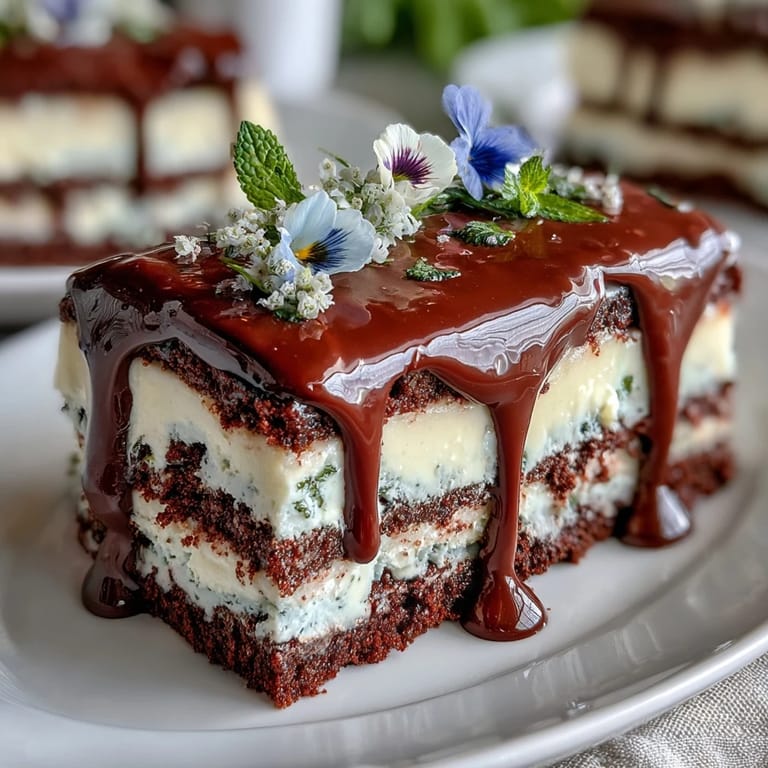
- Once the ganache cools to a slightly thickened but still pourable state, use a spoon or squeeze bottle to let it cascade down the sides. Top with flowers, sprinkles, and extra lemon zest, and step back to admire what you've made.
 Pin this
 There's a moment when you set the finished cake down and the light hits those flowers just right, and suddenly you understand why people fuss over cake presentation. It's not vanity—it's that small thrill of knowing something you made with your hands is also genuinely beautiful to look at.
Why Room Temperature Matters
I learned this the hard way when I rushed and used cold eggs straight from the fridge. The batter looked grainy and wouldn't come together smoothly, and the finished cake was denser than it should have been. Now I set my eggs and butter on the counter while I measure everything else—it's the kind of small kindness to your future self that actually changes the outcome.
The Lemon Frosting Secret
Most people assume the tartness comes from dumping in a ton of lemon juice, but that's how you end up with weepy, grainy frosting. The real magic is in the balance: enough juice to taste bright, zest for those little bursts of flavor, and a touch of milk to keep the texture luxurious. I learned to add the milk last, a tablespoon at a time, until I could spread it without it breaking apart.
Flowers, Timing, and That White Chocolate Drip
The white chocolate ganache is more forgiving than you'd think, and the flowers are the easiest part to get right—just make sure they're pretty and you've already won half the battle. This cake can sit in the refrigerator for up to three days without losing its charm, and if you need to make it a day ahead, the frosting will even firm up slightly, making decoration easier. One last thought before you start: edible flowers will keep their color better if you add them right before serving, so resist the urge to decorate too early.
- If you want a gluten-free version, swap in a quality 1:1 gluten-free flour blend and everything will work just as well.
- A glass of sparkling wine or Earl Grey tea beside a slice of this cake is genuinely perfect—the acidity and the floral notes create a moment worth savoring.
- Check all your flower sources carefully, and if there's any doubt, skip the decoration and the cake will still taste absolutely delicious.
 Pin this
 This cake is the kind of thing that makes people pause mid-conversation and just appreciate being together. That's worth the effort.
Recipe FAQs
- → How do I ensure the vanilla sponge stays moist?
Use room temperature eggs and butter, beat the butter and sugar until fluffy, and avoid overmixing the batter once flour is added to retain moisture.
- → What’s the best way to achieve a smooth lemon frosting?
Beat unsalted butter until creamy, then gradually mix in sifted powdered sugar and lemon juice, adjusting milk quantity for a smooth, spreadable consistency.
- → How can I create the white chocolate drip effect?
Gently heat heavy cream and pour over chopped white chocolate; stir until smooth then cool slightly before dripping around cake edges for a clean finish.
- → Are there alternative decorations to edible flowers?
Yes, you can use sprinkles, lemon zest, or pastel-colored gel food coloring in the drip to customize the look while keeping it delicate and seasonal.
- → Can this cake be made gluten-free?
Substitute the all-purpose flour with a 1:1 gluten-free flour blend to maintain texture and flavor suitable for gluten-free diets.