 Pin this
 I discovered this platter trick at a tiny wine bar tucked away on a cobblestone street in Barcelona, where the owner casually arranged crackers and olives on a wooden board like she was painting a picture. The way the round crackers overlapped and the olives nestled between them felt almost architectural, and I realized something clicked—appetizers don't have to be fussy or complicated to feel special. Ever since, I've made this whenever I want to impress without spending hours in the kitchen.
I remember making this for a small dinner party on a rainy Thursday evening when I realized I'd forgotten to plan an appetizer. My neighbor had just brought over a jar of beautiful Castelvetrano olives, and suddenly the whole thing came together in the time it took to brew coffee. My guests kept circling back to it all night, picking at the board while we talked, and I loved that it gave us something to do with our hands.
Ingredients
- Round crackers (36–40): The foundation of everything—look for ones with character like water crackers or multigrain since they hold up better than delicate options and catch the light differently, creating more visual depth.
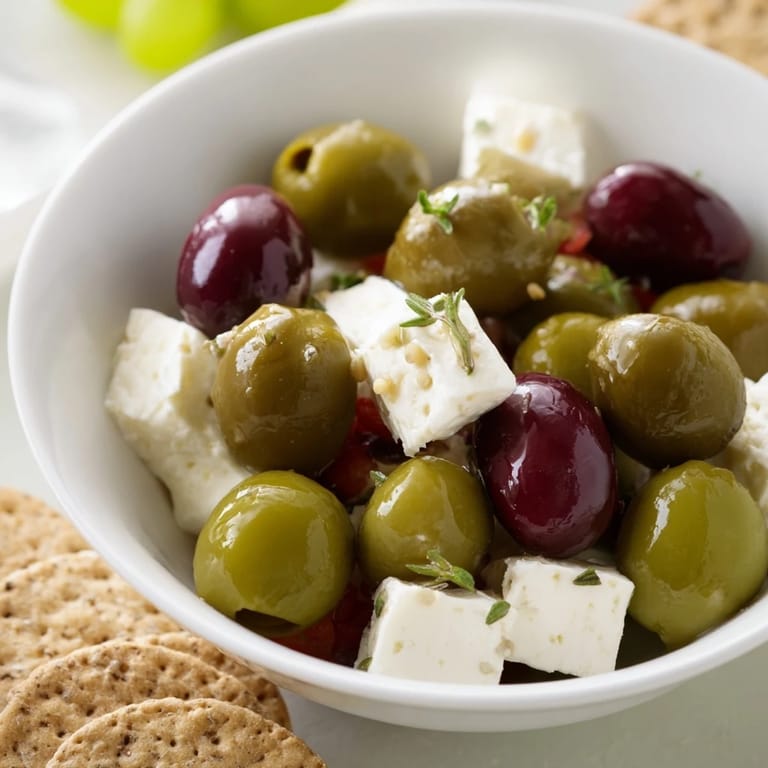
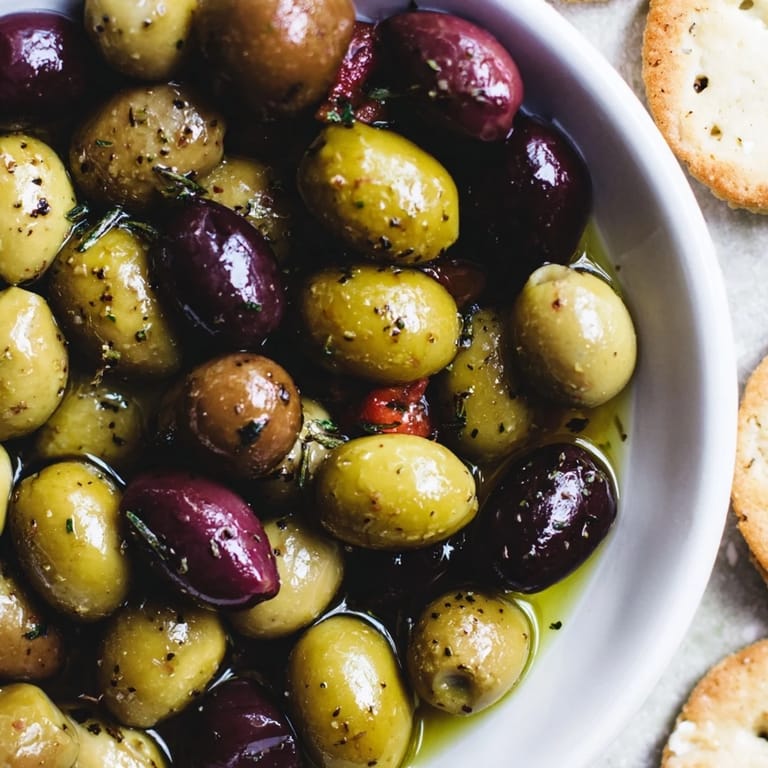
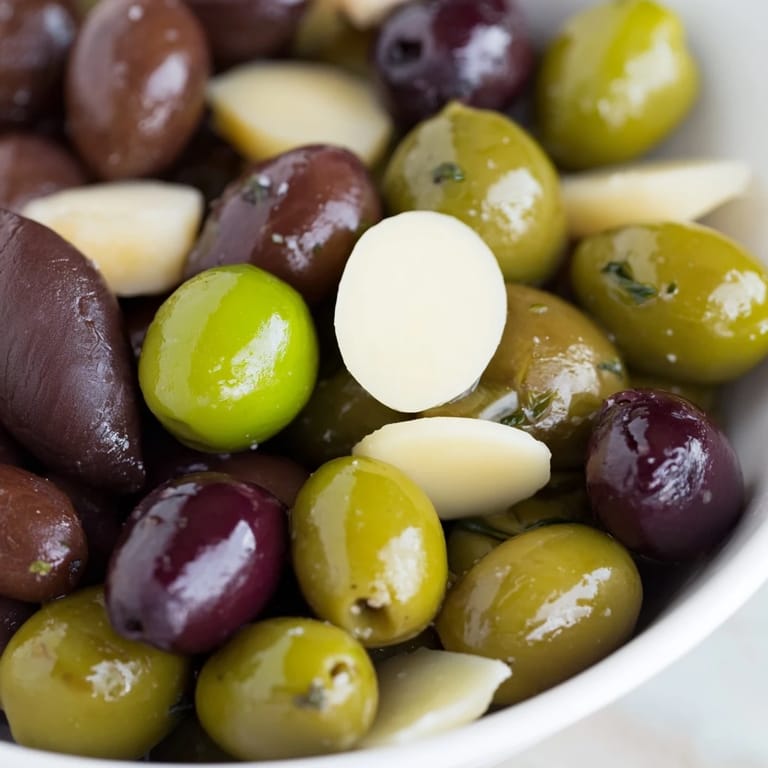
- Assorted olives (1 cup, pitted): Mix colors and sizes intentionally; the contrast between green Castelvetrano, deep Kalamata, and black olives is what makes this feel real, not staged.
- Fresh herbs (2 tbsp, chopped): Parsley, thyme, or rosemary add a whisper of brightness and aroma that makes people lean in closer to the platter.
- Feta or goat cheese (1/4 cup, crumbled, optional): A salty, tangy note that transforms this from pretty to genuinely craveable, though it's equally lovely without it if you're keeping things simple.
- Extra virgin olive oil (1 tbsp): Don't skip this or use the cheap stuff—it's the final gloss that makes everything look professionally done and adds real flavor.
Tired of Takeout? 🥡
Get 10 meals you can make faster than delivery arrives. Seriously.
One email. No spam. Unsubscribe anytime.
Instructions
- Set your stage:
- Choose a platter or board that feels right to you—something with enough space that nothing feels cramped and you can see the wood or ceramic underneath peeking through. A 12–14 inch board works beautifully.
- Lay the cobblestones:
- Start arranging crackers in overlapping circles, letting them tumble naturally across the board in no particular order—real cobblestones aren't perfect, and neither should this be. Rotate some crackers at different angles to break up the symmetry.
- Fill the gaps:
- Now comes the satisfying part: tuck olives into the spaces between crackers like you're setting mortar between stones, pressing them gently so they nestle snugly. Don't overthink placement; trust your eye and the olives will tell you where they want to sit.
- Add the finishing touches:
- If you're using them, scatter the cheese crumbles over the top and dust with fresh herbs, letting some land on crackers and some on olives. A light drizzle of olive oil over everything adds shine and a subtle richness.
- Serve immediately:
- The moment it's done is the moment to bring it to the table while everything still looks fresh and inviting, and before anyone starts absentmindedly picking at the edges.
 Pin this
 What I love most about this platter is watching it become a conversation starter—people actually pause and smile before eating, which doesn't happen with most appetizers. It's stopped being just food and become something that makes the whole gathering feel a little more thoughtful.
Variations to Play With
Once you understand how this works, you can riff on it endlessly. I've added marinated artichoke hearts for tang, roasted almonds for crunch, and tiny cherry tomatoes for color—each one shifts the personality of the board. The beauty is that there's no wrong answer; you're just responding to what you have in your kitchen and what sounds good right now.
Wine Pairing Thoughts
This platter practically begs for a glass of something crisp and light—Sauvignon Blanc is the obvious choice, but a dry rosé or even a light Pinot Grigio works wonderfully. The acidity cuts through the salt of the olives and the richness of the oil, making each bite feel fresh and alive. I've even served it with sparkling water infused with fresh lemon when I wanted to keep things non-alcoholic, and the brightness still works beautifully.
Making It Your Own
The real magic here is that this isn't a recipe so much as a framework, which means it actually gets better the more you make it. You'll start noticing which crackers hold up longest, which olive varieties your guests reach for first, and how different boards and platters change the whole vibe.
- Choose crackers in varying sizes and textures to mimic real cobblestones—some matte, some with seeds, some slightly curved.
- Don't be precious about the arrangement; the most beautiful ones happen when you stop overthinking and just let things fall naturally into place.
- Taste as you arrange—a cracker, an olive, maybe a tiny pinch of cheese—because this is a dish made for grazing, not just looking at.
 Pin this
 This platter has become one of those recipes I turn to when I want to feed people without stress, and it never fails to make the table feel more elegant than the effort required. There's real generosity in that.
Recipe FAQs
- → How do I create the cobblestone effect?
Arrange round crackers tightly in an overlapping pattern, then fill the gaps with assorted olives to mimic mortar between stones.
- → Which olives work best for this platter?
A mix of Castelvetrano, Kalamata, and black olives offers varied flavors and colors, enhancing both taste and visual appeal.
- → Can I prepare this platter ahead of time?
It's best served fresh to maintain cracker crispness and olive texture, but you can prep ingredients separately and assemble just before serving.
- → What garnishes complement the flavors here?
Fresh chopped herbs like parsley, thyme, or rosemary and crumbled feta or goat cheese add herbal brightness and creamy texture.
- → Are there any common allergen considerations?
Crackers contain gluten and cheese adds dairy; gluten-free crackers and omitting cheese accommodate allergies or vegan preferences.