 Pin this
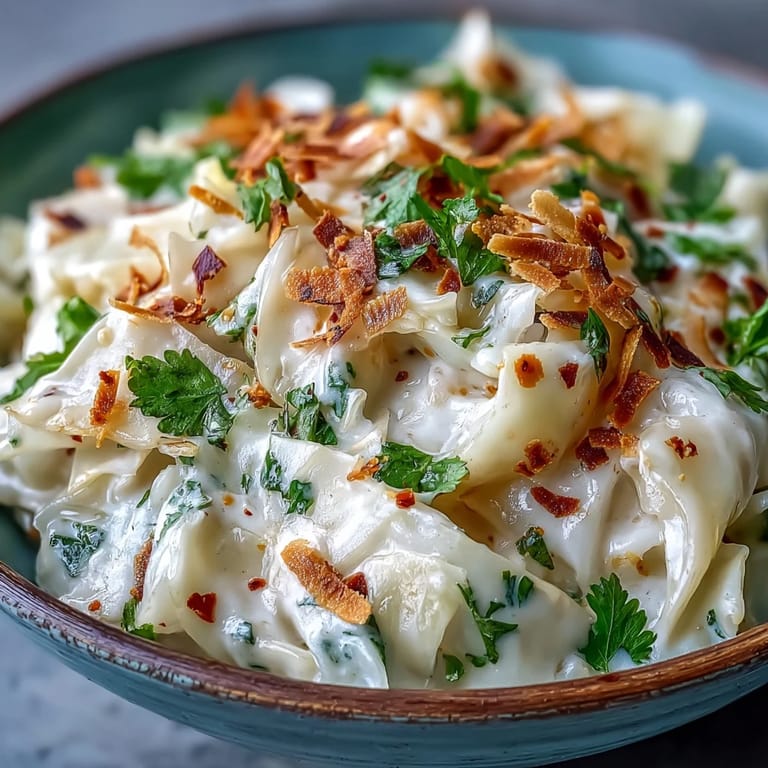
 The smell hit me first: toasted cumin meeting coconut milk in a warm cloud that filled the kitchen on a rainy Tuesday. I'd bought too much cabbage at the market and needed something better than coleslaw. A friend had mentioned braising greens in coconut milk once, almost in passing, and I figured cabbage deserved the same treatment. What came out of that pan was silky, golden, and so much more interesting than I expected.
I made this for a potluck once, nervous that braised cabbage wouldn't hold its own next to flashy casseroles and grilled skewers. But people kept coming back, scraping the edges of the dish where the coconut had caramelized slightly. One guest asked if it was a family recipe from somewhere tropical. I just laughed and said it was born from too many vegetables and not enough inspiration, which somehow made it even better.
Ingredients
- Green cabbage (900 g): The star here, it softens into ribbons that soak up all the spiced coconut cream beautifully.
- Yellow onion: Adds sweetness and body to the base, mellowing as it cooks down with the garlic and ginger.
- Garlic (2 cloves): Minced fine so it melts into the sauce and doesn't overpower the delicate spice blend.
- Fresh ginger (1-inch piece): Grated for a sharp, warm bite that wakes up the whole dish.
- Ground turmeric (1 tsp): Gives the cabbage a golden glow and earthy depth without tasting medicinal.
- Ground cumin (1 tsp): Toasted in oil, it becomes nutty and essential to the overall warmth.
- Chili flakes (1/2 tsp): Optional but worth it for a gentle background heat that doesn't steal the show.
- Black pepper (1/2 tsp): Freshly cracked works best, adding just enough sharpness to balance the coconut richness.
- Fine sea salt (3/4 tsp): Start here and taste later, since coconut milk can mute seasoning until it reduces.
- Full-fat coconut milk (400 ml): The creamy kind from a can, not the carton, it thickens beautifully and coats every strand of cabbage.
- Vegetable broth (120 ml): Loosens the sauce just enough so it doesn't get too heavy or cloying.
- Coconut oil (1 tbsp): Reinforces the coconut flavor, though any neutral oil works if you want a lighter touch.
- Fresh cilantro (2 tbsp): Brightens everything at the end with herbal freshness and color.
- Toasted coconut flakes (1 tbsp): Optional, but they add a sweet crunch that makes the dish feel finished.
Tired of Takeout? 🥡
Get 10 meals you can make faster than delivery arrives. Seriously.
One email. No spam. Unsubscribe anytime.
Instructions
- Warm the oil:
- Heat the coconut oil in a large deep skillet over medium heat until it shimmers but doesn't smoke. This sets the stage for everything that follows.
- Soften the onions:
- Add the sliced onions and sauté for 3 to 4 minutes, stirring occasionally, until they turn translucent and sweet. You want them tender, not browned.
- Add garlic and ginger:
- Stir in the minced garlic and grated ginger, cooking for about 1 minute until the kitchen smells incredible. Watch closely so the garlic doesn't burn.
- Bloom the spices:
- Sprinkle in the turmeric, cumin, chili flakes, and black pepper, stirring constantly for 30 seconds. This step releases their oils and deepens the flavor dramatically.
- Toss in the cabbage:
- Add the sliced cabbage and salt, using tongs or a wooden spoon to coat every piece in the spiced oil. It will look like a mountain at first, but it wilts fast.
- Pour in the liquids:
- Add the coconut milk and vegetable broth, stirring everything together until combined. The cabbage will start to relax into the creamy base.
- Simmer covered:
- Bring to a gentle simmer, then cover and reduce the heat to low. Let it cook for 15 to 18 minutes, stirring occasionally, until the cabbage is meltingly tender.
- Thicken if desired:
- Remove the lid and cook uncovered for 3 to 5 minutes to let the sauce reduce and cling to the cabbage. This step is optional but adds richness.
- Adjust seasoning:
- Taste and add more salt or chili if needed. Coconut milk can dull seasoning, so don't be shy.
- Garnish and serve:
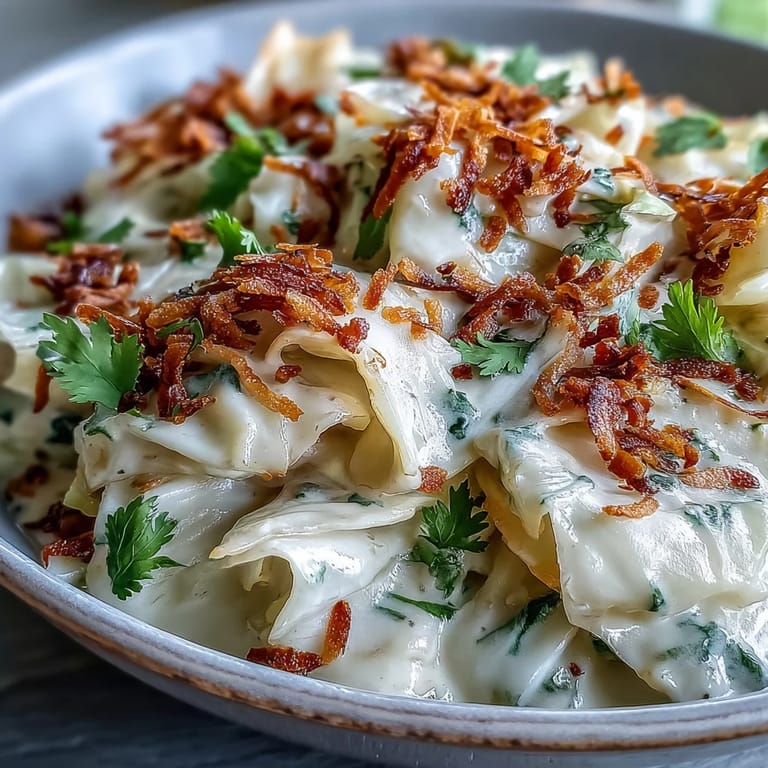
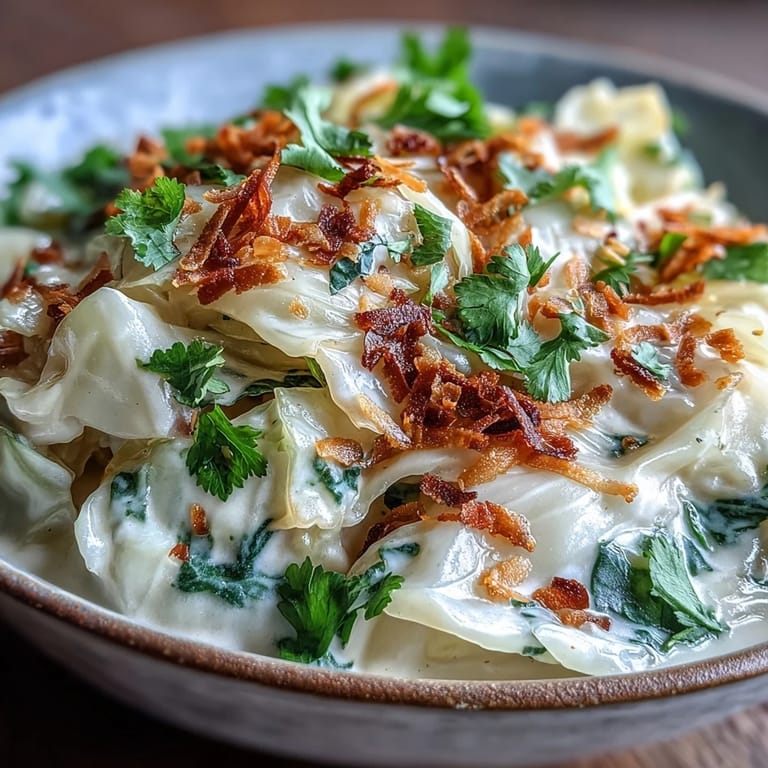
- Transfer to a serving dish and top with chopped cilantro and toasted coconut flakes. Serve warm alongside rice, grilled proteins, or straight from the pan.
 Pin this
 There was a night I served this alongside plain jasmine rice and grilled chicken thighs, nothing fancy. My partner took a bite, paused, and said it tasted like comfort food from a place we'd never been. That's what this dish does: it feels familiar and new at the same time, like a memory you didn't know you had.
Choosing Your Cabbage
Green cabbage is sturdy and holds up to braising without turning mushy, but savoy cabbage works beautifully if you want something more delicate. Napa cabbage cooks faster and gives a softer, almost buttery texture, just reduce the simmering time by a few minutes. I've tried all three and they each bring something different, so pick based on what's freshest or what you're craving.
Serving Suggestions
This pairs perfectly with steamed basmati or jasmine rice, soaking up the creamy sauce like a dream. I've also spooned it over baked sweet potatoes, used it as a topping for grain bowls, and served it alongside grilled fish or roasted chickpeas. One time I tucked leftovers into a warm pita with a drizzle of tahini and it became an instant favorite lunch.
Storage and Reheating
Leftovers keep well in an airtight container in the fridge for up to four days, and honestly, they taste even better the next day. Reheat gently on the stovetop with a splash of water or broth to loosen the sauce, stirring occasionally so it doesn't stick. You can also microwave it in short bursts, but the stovetop method keeps the texture silkier.
- Add a squeeze of lime or lemon before serving to brighten up reheated portions.
- If the sauce thickens too much in the fridge, thin it with a little coconut milk or water.
- Freeze portions in individual containers for up to two months, thaw overnight in the fridge before reheating.
 Pin this
 This is the kind of recipe that surprises people, including yourself. It's proof that the simplest ingredients, treated with a little warmth and patience, can become something you'll crave on repeat.
Recipe FAQs
- → Can I use a different type of cabbage?
Yes, you can substitute savoy or napa cabbage for green cabbage. Both varieties work well and will cook slightly faster due to their more delicate texture.
- → How do I make this dish spicier?
Increase the chili flakes to 1 teaspoon or add fresh sliced chilies when sautéing the aromatics. You can also add a dash of cayenne pepper or sriracha at the end.
- → Can I make this ahead of time?
Yes, this dish reheats beautifully. Store in an airtight container in the refrigerator for up to 4 days. Reheat gently on the stovetop, adding a splash of broth if needed.
- → What can I serve with coconut braised cabbage?
This versatile side pairs wonderfully with jasmine rice, quinoa, grilled chicken, salmon, tofu, or as part of a curry spread. It also works as a topping for baked potatoes or grain bowls.
- → Can I use light coconut milk instead of full-fat?
You can, but the dish will be less creamy and rich. Full-fat coconut milk provides the signature silky texture and depth of flavor that makes this dish special.
- → How do I prevent the cabbage from becoming mushy?
Cook the cabbage until tender but not falling apart, checking at 15 minutes. The cabbage should be silky and wilted but still hold some structure. Avoid overcooking on high heat.