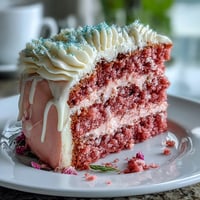
 Pin this
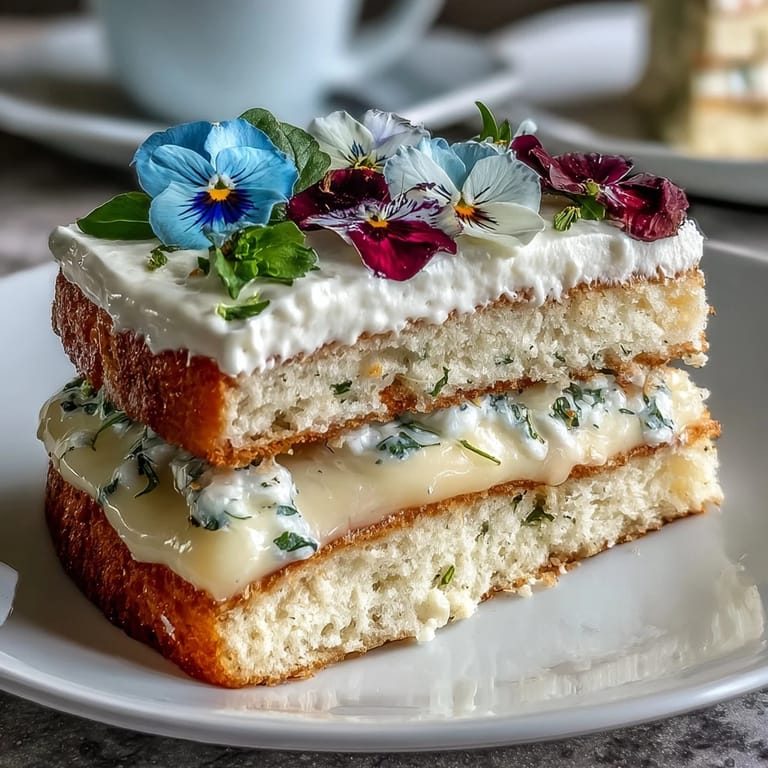
 One spring afternoon, curiosity nudged me into baking territory I hadn't explored before: decorating a cake with pressed edible flowers. The kitchen was awash with sunlight, and each colorful blossom felt like a captured moment of the garden outside. The gentle tang of lemon zest floated through the air, mixing with the promise of cake sweetness. I remember laughing when I first pressed a pansy atop the whipped cream, worried it might look too whimsical—or not whimsical enough. That day, I learned how much joy you can bake into a dessert, especially with nature as your guide.
When my sister came over for her birthday, I made this cake while we chatted about spring plans and tasted the lemon curd straight from the spoon. The sound of the electric mixer, the smell of warm cake, and her delighted surprise at the flower topping made the kitchen feel like the happiest corner of the house. The cake became the centerpiece, surrounded by laughter and curiosity about which flowers were safe to eat. We spent most of the evening admiring the artistry before finally, eagerly, slicing into it. That moment stitched itself into memory—simple, cheerful, and sweet.
Ingredients
- Unsalted butter: Soft, room-temperature butter guarantees a smooth batter and tender crumb; don't rush the softening.
- Granulated sugar: Whipping it well with butter ensures a fluffy cake texture—don't skimp on this step.
- Eggs: Bring them to room temperature; cold eggs can cause curdling and affect rise.
- Vanilla extract: Pure vanilla adds warmth, but I learned imitation doesn't give the same cozy fragrance.
- All-purpose flour: Sifted flour means no lumps and a lighter sponge, worth the extra minute.
- Baking powder: Fresh baking powder is crucial for lift; check the expiration date if unsure.
- Fine sea salt: A pinch accentuates flavor—simple but transformative.
- Whole milk: Room temperature milk blends smoothly; if it's cold, it can make the butter seize.
- Lemon zest: Only grate the bright yellow layer; the white pith is bitter.
- Eggs (for curd): Whisk gently, as over-agitation toughens the curd.
- Granulated sugar (for curd): Balances the tart lemons—taste and adjust as needed.
- Freshly squeezed lemon juice: Use fresh, not bottled; the flavor really does transform the curd.
- Finely grated lemon zest (for curd): Intensifies fragrance and tang.
- Unsalted butter (for curd): Adds creaminess and shine to the curd—drop it in while still warm for silkiness.
- Heavy cream: Chilled before whipping yields a billowy, stable topping.
- Powdered sugar: Small amount sweetens the cream without weighing it down.
- Pressed edible flowers: Make sure they're organically grown and genuinely edible; the right flowers add both beauty and a faint peppery aroma.
Tired of Takeout? 🥡
Get 10 meals you can make faster than delivery arrives. Seriously.
One email. No spam. Unsubscribe anytime.
Instructions
- Prepare and Preheat:
- Turn the oven to 350°F (175°C), grease, and line your cake pans—there's a calm satisfaction in smoothing out the parchment paper just right.
- Cream and Build the Batter:
- Whip butter and sugar until pale and fluffy, then add eggs one at a time, watching the mixture turn glossy; vanilla and lemon zest come in with their golden aroma next.
- Combine Dry Ingredients:
- Mix flour, baking powder, and salt in a separate bowl, then add to the wet mixture in three parts, alternating with milk; everything blends into a soft, sunny batter without overmixing.
- Bake the Cake Layers:
- Pour batter evenly into pans and bake for 25–30 minutes; the cakes will gently pull away from the edges when done, and a toothpick should come out clean.
- Cool and Unmold:
- Let pans rest for ten minutes before turning cakes onto a wire rack—be patient, the steam rising often carries hints of sugar and lemon.
- Make Lemon Curd:
- In a heatproof bowl, whisk eggs, sugar, lemon juice, and zest over simmering water; stir constantly until it thickens, then whisk in butter for a glossy finish—don't rush, it's worth every minute.
- Whip Cream:
- Beat cream with powdered sugar and vanilla until stiff peaks form; the sound changes from splashes to soft thuds as it thickens.
- Assemble Layers:
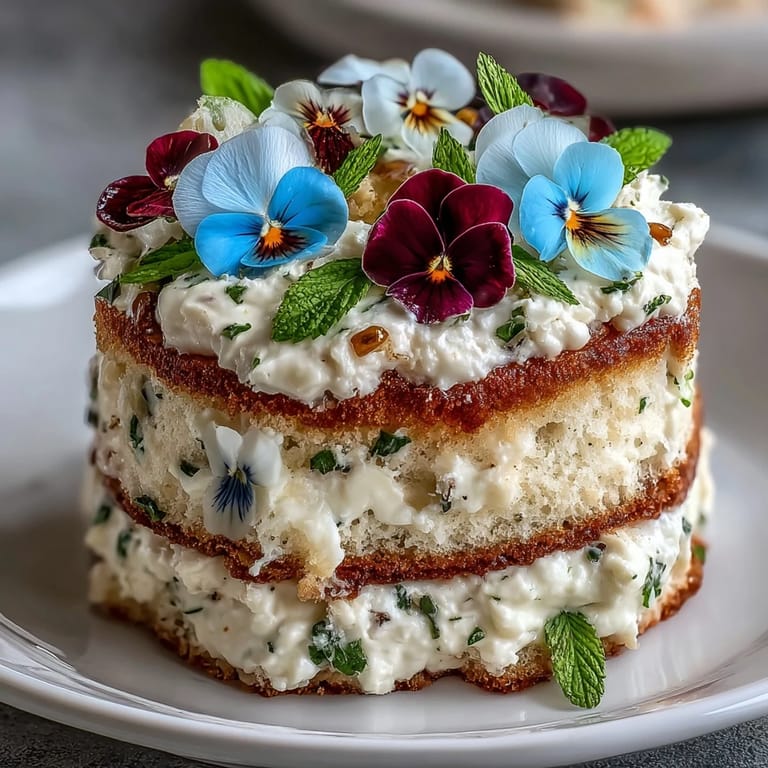
- Place one cake layer, spread lemon curd generously, and top with the other layer; each step feels like stacking joy.
- Frost and Decorate:
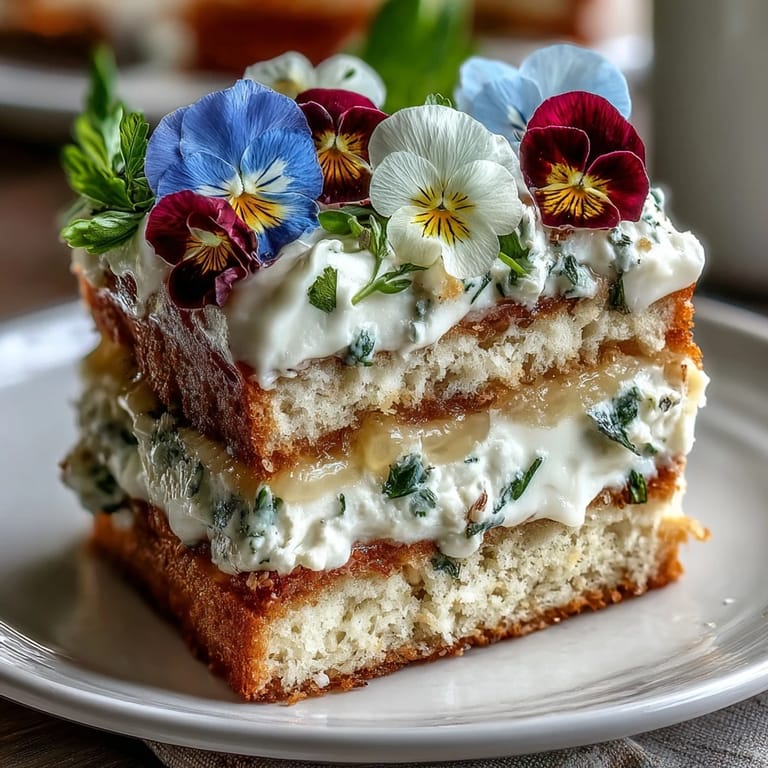
- Smooth whipped cream on top and sides, then arrange pressed flowers carefully—press gently, finding your own pattern as you go.
- Chill Before Serving:
- Let the cake rest in the fridge for at least 30 minutes; decorations set and flavors meld, making the moment you slice even more rewarding.
 Pin this
 Serving this cake after a brisk garden walk, we paused before the first bite—admiring the mosaic of flowers and feeling an unexpected sense of ceremony. The cake was a simple treat elevated into something memorable, as if spring itself had joined us at the table.
Choosing Edible Flowers with Confidence
Picking edible flowers is half art, half caution: only use blossoms you've grown yourself or bought from a trusted source. Some flowers look gorgeous but aren't safe to eat, so making a checklist solved my anxiety the first time. Pansies, violets, and nasturtiums are reliable favorites, while organic roses lend subtle perfume. If you dry them ahead, pressing between parchment leaves ensures they stay flat and colorful—no wilting surprises. Double check labels and always skip flowers from florists or garden centers unless they're certified edible.
Getting the Sponge Just Right
The sponge cake is the quiet hero here: it needs gentle folding and careful baking to rise and stay tender. My kitchen timer is non-negotiable, because even two extra minutes in the oven can turn cake dry. If your batter is slightly lumpy, don't panic—it usually smooths out when baked. When unmolding, I use an offset spatula to avoid fingerprints and crumbs sticking. I learned that prepping the pans thoroughly with parchment, even on the sides, makes for a professional finish.
Last Touches and Troubleshooting
Assembling goes quickly but decorating should be unrushed; take time to place each flower so you love the look. If your whipped cream is too loose, pop it back in the fridge for ten minutes then re-whip. Always taste the lemon curd before spreading—sometimes I add a pinch more zest if it feels mellow. No two cakes ever look quite alike, but that's the charm.
- Always chill the cake after assembling for flower decorations to set.
- If the sponge sinks in the middle, it's usually from over-mixing or old baking powder.
- Remember to confirm all selected flowers are actually edible before using.
 Pin this
 May your Spring Cake bring a breeze of color, a dash of tang, and smiles to everyone at your table. Sharing it always becomes a beautiful little event.
Recipe FAQs
- → How do you press edible flowers for decoration?
Place clean, edible flowers between sheets of parchment paper and press with a heavy book for at least 24 hours to flatten and preserve their color.
- → Can cake layers be prepared ahead of time?
Yes, bake cake layers a day in advance and store wrapped at room temperature to maintain freshness and ease assembly.
- → What flowers are safe for cake decoration?
Pansies, violets, nasturtiums, and organic rose petals are commonly used. Always ensure flowers are edible and organically grown, free from pesticides.
- → How is lemon curd made for this dessert?
Whisk eggs, sugar, lemon juice, and zest over a double boiler until thickened, then stir in butter until smooth and cool before using.
- → What are suitable pairings for this cake?
The cake pairs beautifully with Earl Grey tea or sparkling Moscato, enhancing its citrus and floral flavors.
- → Is this dessert suitable for vegetarians?
Yes, it is vegetarian as it contains eggs and dairy but no meat ingredients. Confirm all edible flowers are safe and pesticide-free.