 Pin this
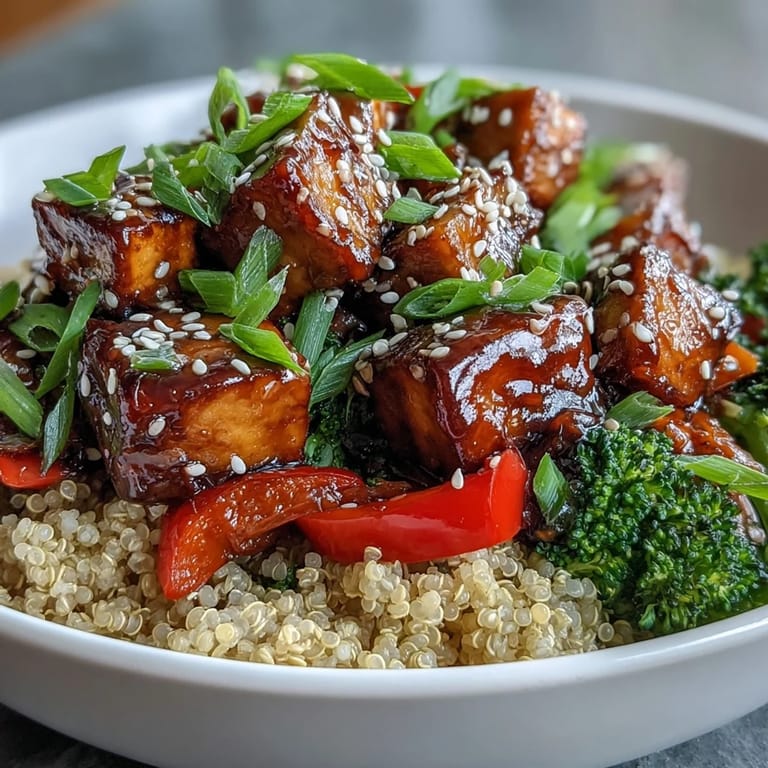
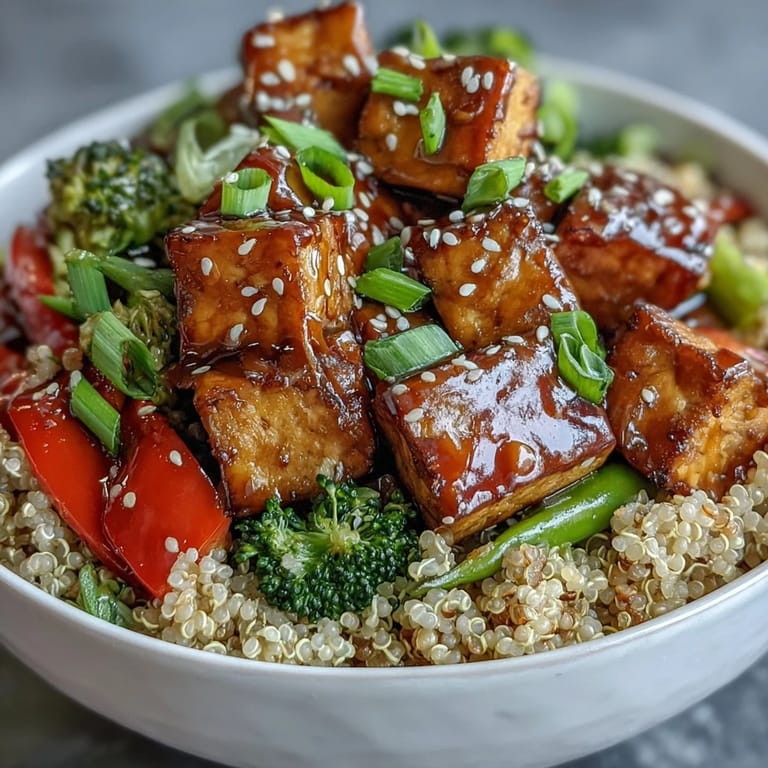
 Last Tuesday, I was standing in my kitchen wondering why I kept buying takeout containers when I could make something this good at home. There's something almost meditative about watching quinoa puff up on the stove while you prep vegetables, knowing in twenty minutes you'll have a bowl that tastes like you actually planned ahead. This teriyaki bowl came together on a random weeknight when I realized I had all the pieces but no real direction, and somehow it became the thing I keep coming back to. The golden tofu, the snap of fresh vegetables, that glossy sauce hitting warm grain—it all just works.
I made this for my roommate who keeps saying she wants to eat better, and watching her go back for seconds told me everything I needed to know. She'd been stressed about meal prep, thinking it meant hours in the kitchen, and this proved her wrong in the best way. The crispy tofu alone converted her—she didn't expect plant-based protein to have that kind of texture and satisfaction. Now she makes it every Sunday, which somehow makes me happier than when I cook it for myself.
Ingredients
- Quinoa: This grain is quietly doing a lot of heavy lifting here, providing complete protein and a light, fluffy base that doesn't feel heavy even though it's loaded with nutrition.
- Sesame oil: Use it in both the vegetable stir-fry and the sauce—it's the secret whisper that ties everything together, though a little goes a long way.
- Extra-firm tofu: Press it well before cooking or you'll end up with a soggy disappointment; I learned this by making that exact mistake once.
- Red bell pepper: Slice it thin so it actually cooks in the time the other vegetables need, and watch how the color stays vibrant.
- Broccoli florets: Cut them smaller than you think you need to; they cook faster and mix better into each bite.
- Carrot: Julienne it so it caramelizes slightly at the edges, which adds a subtle sweetness without being obvious about it.
- Snap peas: These should have a slight crunch when you eat them, so don't shy away from pulling them off the heat while they still have some resistance.
- Low-sodium soy sauce: This matters because the sauce reduces and concentrates, and regular soy sauce can tip into too-salty territory fast.
- Maple syrup or agave: Either works, though maple has a deeper undertone that feels more grounded when it hits the heat.
- Rice vinegar: The acid is essential here; it keeps the sauce from tasting flat or one-dimensional.
- Cornstarch: This is your thickener, and whisking it in properly prevents lumps that'll make people think you're not paying attention.
Tired of Takeout? 🥡
Get 10 meals you can make faster than delivery arrives. Seriously.
One email. No spam. Unsubscribe anytime.
Instructions
- Start your quinoa first:
- Rinsing is not optional—it removes the bitter coating that tastes like someone didn't finish the recipe right. Get the water boiling, drop in your rinsed quinoa and salt, then let the lid trap all that steam and do the work for you.
- Get your tofu golden:
- Press it between paper towels or a clean kitchen towel for a few minutes, then toss in cornstarch like you're seasoning meat. Watch it sizzle in hot oil and resist the urge to move it around constantly; let each side find its own crispy edge.
- Build your teriyaki sauce while everything else cooks:
- Combine the soy sauce, sweetener, vinegar, sesame oil, ginger, and garlic in a small saucepan and let it simmer until your kitchen smells like something special. Once it's warmed through, add the cornstarch slurry while whisking constantly so it thickens into something glossy and perfect.
- Stir-fry vegetables with intention:
- Heat your skillet until it's hot enough that a drop of water dances across it, then add sesame oil and get your aromatics in first—ginger and garlic should bloom for just thirty seconds before everything else joins the party. Add your vegetables in order of how long they need, watching them go from pale to vibrant with a slight caramelization at the edges.
- Bring everything together:
- Quinoa down first, then pile on the vegetables and tofu, then let that teriyaki sauce cascade over everything and sink into all the crevices. The heat from everything underneath will warm the sauce and bind it all together into something that tastes intentional.
 Pin this
 There was this moment during a dinner party when someone asked if I'd made the bowl from scratch, and I realized how far I'd come from thinking home cooking had to be complicated or took forever. The table went quiet for a second while everyone ate, which is always the best kind of compliment, and then someone asked for the recipe.
The Power of Pressing Your Tofu
I used to skip this step and wonder why my tofu was always sad and waterlogged. Now I understand that tofu is mostly water, and if you don't remove that moisture before cooking, you're essentially steaming it in its own liquid instead of letting it develop a crust. Wrap your block in a clean kitchen towel, place it on a plate, put another plate on top, then add something heavy—a cast iron skillet works beautifully. Give it five to ten minutes and you'll feel the difference immediately when it hits the hot oil.
Why This Bowl Works as Both Meal Prep and Dinner
The components don't really suffer if you cook them separately and refrigerate them, which means Sunday prep becomes Friday night assembly. Keep the teriyaki sauce in a separate container because it'll soften the quinoa if they're stored together for more than a day, but otherwise you're looking at four solid meals. I've even brought this to work and had it taste better than it did the night I made it, which is saying something.
Customizing Without Losing the Soul
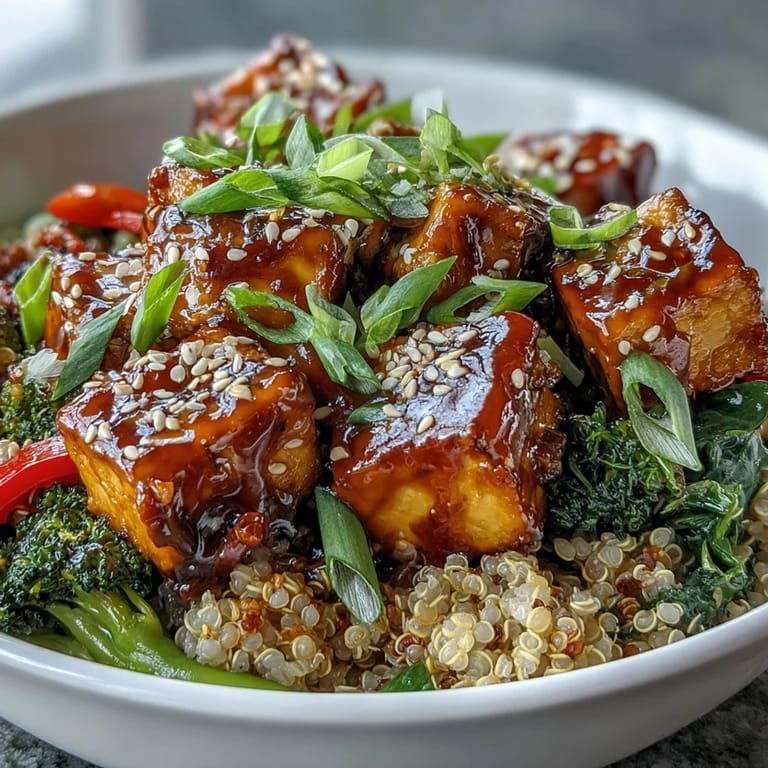
The beauty of this bowl is that it's flexible enough to use up whatever you have growing soft in your vegetable drawer. I've swapped in mushrooms, zucchini, even baby corn, and the formula still holds because you've got your base grain, your protein, your vegetables, and your sauce. If you want to add a crunch element, toasted cashews or peanuts scattered on top wake everything up without overwhelming the teriyaki flavor.
- Tempeh and edamame are natural substitutes if you want to switch up your protein occasionally.
- A lime wedge on the side transforms the whole experience, adding brightness that balances the richness.
- If you're worried about leftovers getting soggy, keep the sauce separate and add it fresh when you reheat.
 Pin this
 This bowl has become my proof that home cooking doesn't have to be intimidating or time-consuming to be genuinely delicious. Every time I make it, someone asks for the recipe, and I love that I can give them something real.
Recipe FAQs
- → Can I make this ahead of time?
Yes, prepare components up to 3 days in advance. Store quinoa, vegetables, tofu, and sauce separately in airtight containers. Reheat vegetables and tofu gently, then assemble bowls fresh. The teriyaki sauce thickens when refrigerated—thin with warm water before serving.
- → What protein alternatives work well?
Tempeh, edamame, or chickpeas make excellent plant-based swaps. For heartier appetites, add sliced shiitake mushrooms or pan-seared bok choy. Each absorbs the teriyaki beautifully while adding unique textures and nutritional benefits.
- → Is this freezer-friendly?
Freeze cooked quinoa and stir-fried vegetables separately for up to 2 months. Avoid freezing tofu as texture changes. Thaw overnight in refrigerator, reheat in skillet, and drizzle with freshly made teriyaki sauce for best results.
- → How can I adjust the sweetness?
Reduce maple syrup to 1 tablespoon for less sweet notes, or substitute with coconut aminos for deeper umami. Add a pinch of red pepper flakes if you prefer spicy-sweet balance. Taste and adjust sauce while simmering.
- → What vegetables can I substitute?
Shiitake mushrooms, baby corn, zucchini, or bok choy complement the teriyaki flavors perfectly. Use whatever seasonal vegetables you have on hand—snow peas, green beans, or sliced cabbage all work wonderfully in this versatile bowl.
- → Can I use other grains instead of quinoa?
Brown rice, farro, or cauliflower rice work beautifully. Adjust cooking time accordingly—brown rice needs about 45 minutes, while cauliflower rice cooks in just 5-7 minutes. Each brings distinct texture and nutritional profile to your bowl.